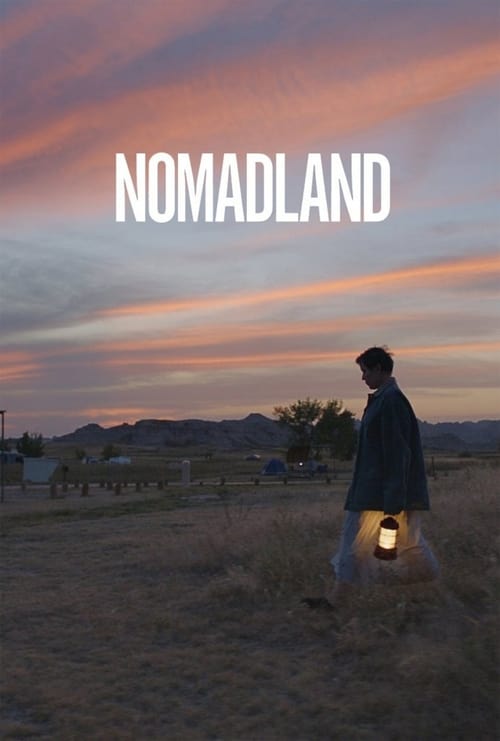
Nomadland
2020USA★ 7.27 pt match
What ties these together is grief, loss of innocence, and belonging. They share the same lens on class and money, poverty, and family wounds passed down. Same energy: melancholic, haunting, slow burn, and dreamlike.
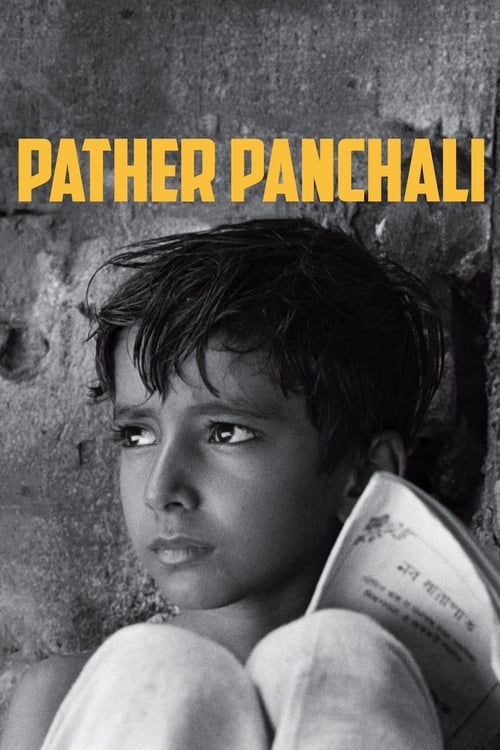
Impoverished priest Harihar Ray leaves his rural Bengal village in search of work. His wife, Sarbojaya, looks after their rebellious daughter, Durga, and young son, Apu. The children enjoy the small pleasures of their difficult life.
If Pather Panchali hit you the right way, here are Hollywood films that share its DNA. Same emotional weight, same kind of stories, same kind of payoff.
What ties these together is grief, loss of innocence, and belonging. They share the same lens on class and money, poverty, and family wounds passed down. Same energy: melancholic, haunting, slow burn, and dreamlike.
Like Pather Panchali, this one is rooted in loss of innocence, feeling powerless, and grief. They share the same lens on poverty, class and money, and family duty. Both move the same way too, warm, melancholic, episodic, and slow burn.
What ties these together is longing, belonging, and loss of innocence. They share the same lens on poverty, family wounds passed down, and family duty. Same energy: melancholic, haunting, slow burn, and episodic.
Both films sit with grief, loss of innocence, and belonging. The world both films live in revolves around poverty, class and money, and family wounds passed down. Both move the same way too, melancholic, haunting, dreamlike, and slow burn.
What ties these together is loss of innocence, longing, and belonging. The world both films live in revolves around family wounds passed down, family duty, and class and money. Same energy: melancholic, warm, slow burn, and episodic.
What ties these together is belonging, longing, and loss of innocence. They share the same lens on class and money, family duty, and family wounds passed down. Both move the same way too, warm, melancholic, episodic, and slow burn.
Both films sit with grief, longing, and belonging. The world both films live in revolves around family wounds passed down, family duty, and poverty. Both move the same way too, melancholic, warm, slow burn, and episodic.
Both films sit with grief, longing, and belonging. They share the same lens on family wounds passed down, class and money, and family duty. The feel is the same: melancholic, warm, slow burn, and episodic.