
The Party
1980France★ 6.66 pt match
Both films sit with belonging, loss of innocence, and grief. They share the same lens on family duty and family wounds passed down. Same energy: warm, melancholic, episodic, and slow burn.
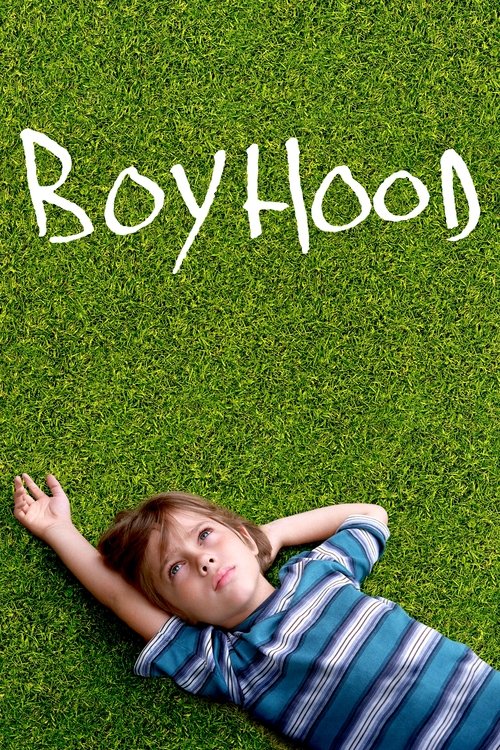
The film tells a story of a divorced couple trying to raise their young son. The story follows the boy for twelve years, from first grade at age 6 through 12th grade at age 17-18, and examines his relationship with his parents as he grows.
These foreign films share the same emotional core, themes, and structural feel as Boyhood. Every one of them has confirmed English subtitles or dubbing.
Both films sit with belonging, loss of innocence, and grief. They share the same lens on family duty and family wounds passed down. Same energy: warm, melancholic, episodic, and slow burn.
Like Boyhood, this one is rooted in loss of innocence, longing, and grief. The world both films live in revolves around family wounds passed down and family duty. The feel is the same: warm, melancholic, and episodic.
What ties these together is grief, loss of innocence, and figuring out who you are. They share the same lens on family duty, family wounds passed down, and class and money. The feel is the same: melancholic, warm, slow burn, and episodic.
What ties these together is figuring out who you are, longing, and loss of innocence. Both circle the same ground: class and money, men and women navigating expectations, and family wounds passed down. Both move the same way too, melancholic, quietly devastating, and slow burn.
Both films sit with grief, longing, and figuring out who you are. The world both films live in revolves around family wounds passed down, family duty, and class and money. The feel is the same: melancholic, warm, slow burn, and episodic.