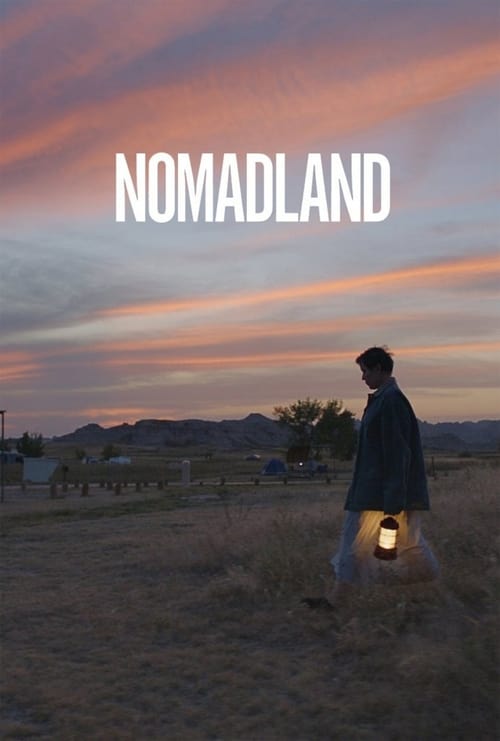
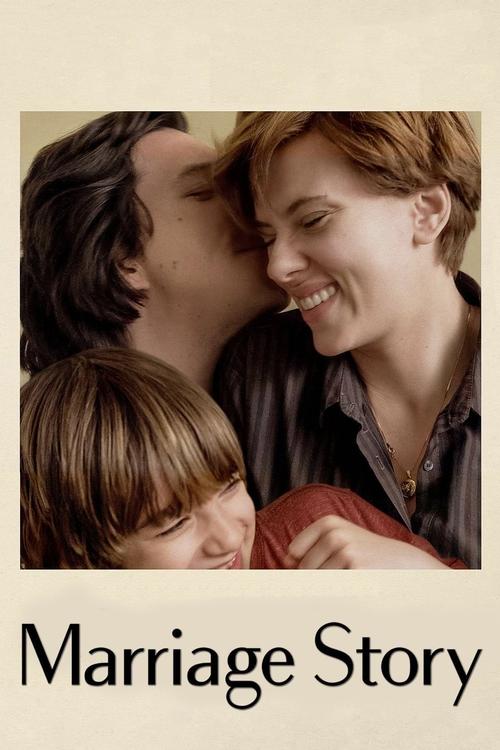
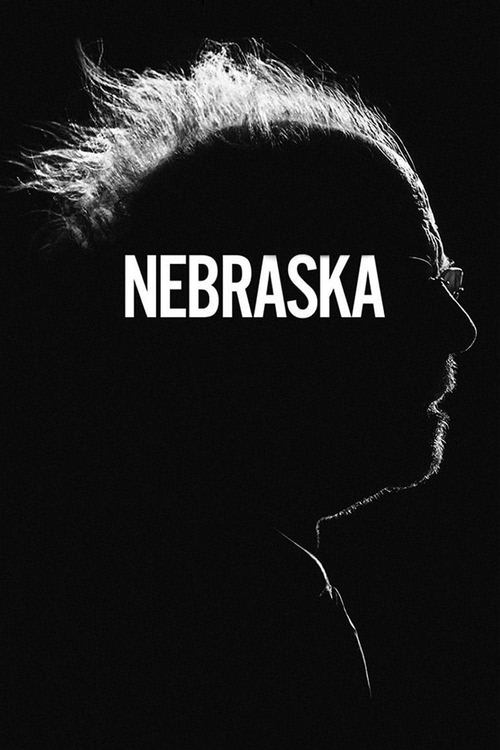
Nomadland
Like La Vie en Rose, this one is rooted in grief, loss of innocence, and belonging. Both circle the same ground: class and money, poverty, and family wounds passed down. The feel is the same: melancholic, haunting, and episodic.
From the mean streets of the Belleville district of Paris to the dazzling limelight of New York's most famous concert halls, Edith Piaf's life was a constant battle to sing and survive, to live and love. Raised in her grandmother's brothel, Piaf was discovered in 1935 by nightclub owner Louis Leplee, who persuaded her to sing despite her extreme nervousness. Piaf became one of France's immortal icons, her voice one of the indelible signatures of the 20th century.
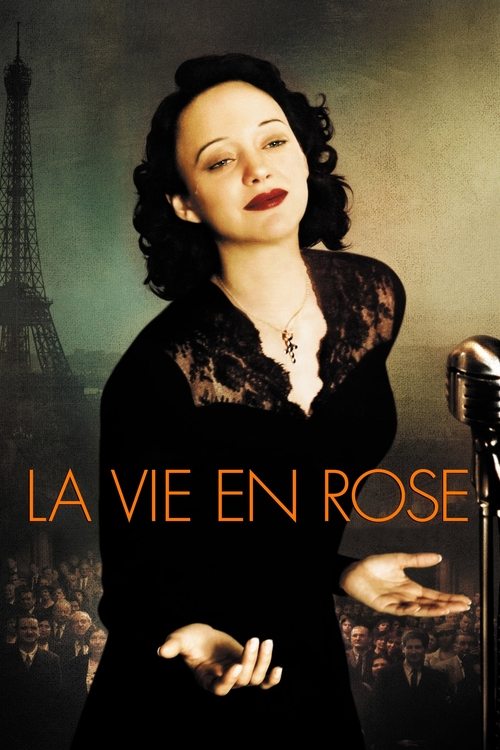
If La Vie en Rose hit you the right way, here are Hollywood films that share its DNA. Same emotional weight, same kind of stories, same kind of payoff.
Like La Vie en Rose, this one is rooted in grief, loss of innocence, and belonging. Both circle the same ground: class and money, poverty, and family wounds passed down. The feel is the same: melancholic, haunting, and episodic.
Like La Vie en Rose, this one is rooted in loss of innocence, grief, and belonging. Both circle the same ground: poverty and class and money. Both move the same way too, warm, melancholic, and episodic.
What ties these together is grief, loss of innocence, and belonging. Both circle the same ground: poverty, class and money, and family wounds passed down. The feel is the same: melancholic, haunting, escalating, and episodic.
Both films sit with figuring out who you are, longing, and belonging. The world both films live in revolves around poverty, family wounds passed down, and men and women navigating expectations. Same energy: melancholic, haunting, and episodic.
Both films sit with grief, all-consuming love, and figuring out who you are. Both circle the same ground: men and women navigating expectations and class and money. Same energy: melancholic, warm, escalating, and episodic.
What ties these together is grief, longing, and figuring out who you are. Both circle the same ground: class and money, poverty, and family wounds passed down. The feel is the same: bleak, melancholic, and escalating.
Like La Vie en Rose, this one is rooted in grief, longing, and belonging. They share the same lens on family wounds passed down, poverty, and class and money. Both move the same way too, melancholic, warm, and episodic.
What ties these together is loss of innocence, longing, and figuring out who you are. The world both films live in revolves around family wounds passed down, class and money, and men and women navigating expectations. Both move the same way too, melancholic, warm, and episodic.