Nomadland
Like Ikiru, this one is rooted in grief, loss of innocence, and longing. Both circle the same ground: family wounds passed down, old ways vs. new world, and family duty. The feel is the same: melancholic, hopeful, slow burn, and episodic.

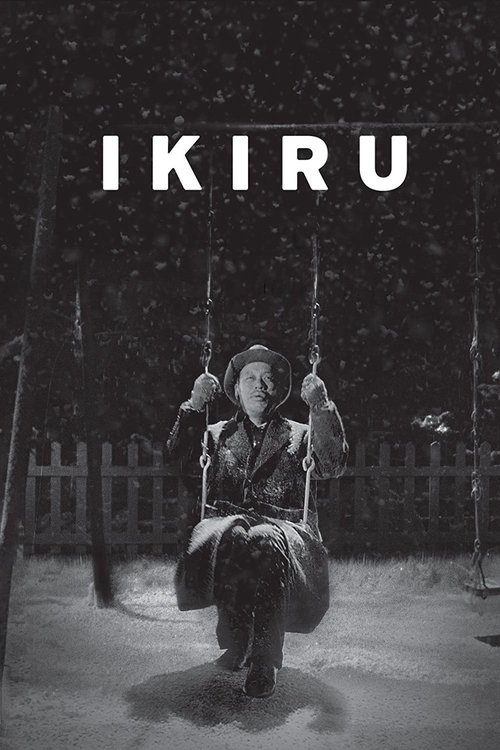
Kanji Watanabe is a middle-aged man who has worked in the same monotonous bureaucratic position for decades. Learning he has cancer, he starts to look for the meaning of his life.
If Ikiru hit you the right way, here are Hollywood films that share its DNA. Same emotional weight, same kind of stories, same kind of payoff.
Like Ikiru, this one is rooted in grief, loss of innocence, and longing. Both circle the same ground: family wounds passed down, old ways vs. new world, and family duty. The feel is the same: melancholic, hopeful, slow burn, and episodic.

Both films sit with grief, longing, and figuring out who you are. The world both films live in revolves around family wounds passed down and family duty. Same energy: melancholic, warm, slow burn, and episodic.
What ties these together is grief, figuring out who you are, and longing. They share the same lens on family wounds passed down and family duty. Both move the same way too, melancholic, warm, slow burn, and episodic.
What ties these together is loss of innocence, longing, and figuring out who you are. The world both films live in revolves around family wounds passed down and family duty. Both move the same way too, melancholic, warm, slow burn, and episodic.
Both films sit with figuring out who you are, longing, and loss of innocence. The world both films live in revolves around family wounds passed down. The feel is the same: melancholic, quietly devastating, slow burn, and methodical.
Both films sit with figuring out who you are, longing, and loss of innocence. They share the same lens on family wounds passed down and family duty. Both move the same way too, melancholic, quietly devastating, slow burn, and episodic.
Both films sit with figuring out who you are, longing, and loss of innocence. They share the same lens on family duty and family wounds passed down. Both move the same way too, warm, melancholic, episodic, and slow burn.
Like Ikiru, this one is rooted in redemption, figuring out who you are, and loss of innocence. They share the same lens on corrupt institutions. The feel is the same: hopeful, melancholic, slow burn, and methodical.