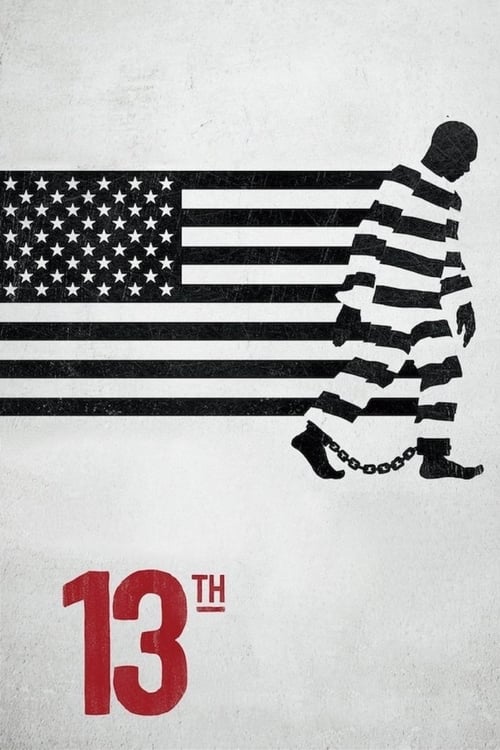
13th
Both films sit with injustice, rage, and grief. The world both films live in revolves around corrupt institutions, life under oppression, and class and money. The feel is the same: bleak, haunting, methodical, and escalating.

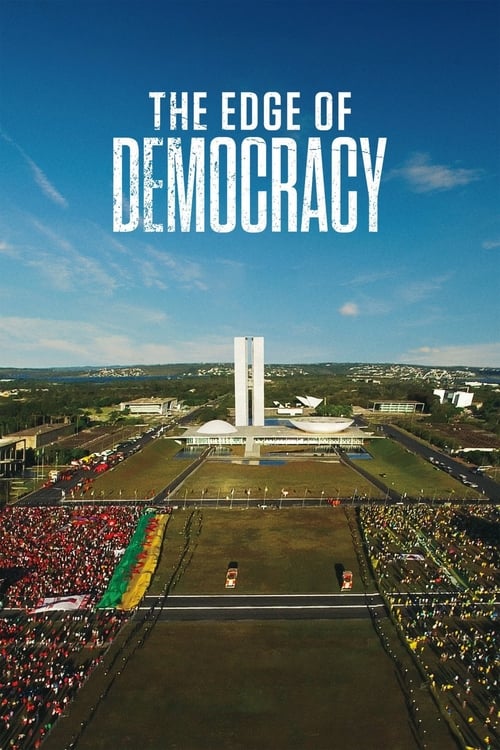
A cautionary tale for these times of democracy in crisis—the personal and political fuse to explore one of the most dramatic periods in Brazilian history. With unprecedented access to Presidents Dilma Rousseff and Lula da Silva, we witness their rise and fall and the tragically polarized nation that remains.
If The Edge of Democracy hit you the right way, here are Hollywood films that share its DNA. Same emotional weight, same kind of stories, same kind of payoff.
Both films sit with injustice, rage, and grief. The world both films live in revolves around corrupt institutions, life under oppression, and class and money. The feel is the same: bleak, haunting, methodical, and escalating.
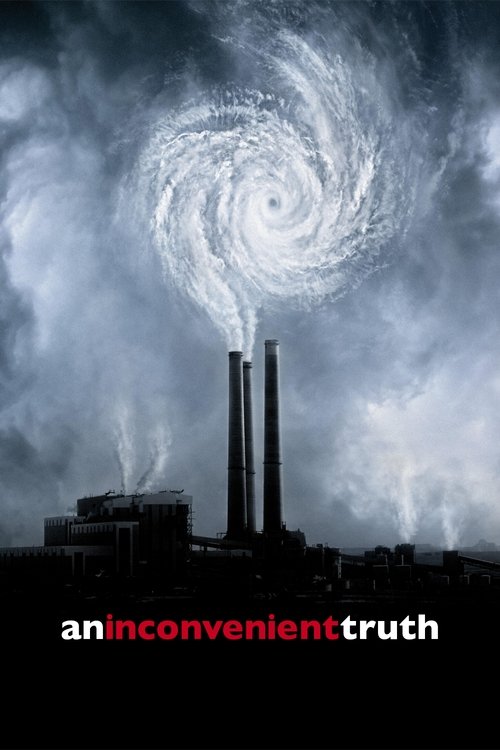
Like The Edge of Democracy, this one is rooted in injustice, rage, and grief. They share the same lens on corrupt institutions, life under oppression, and class and money. Same energy: bleak, haunting, and escalating.
Both films sit with injustice, feeling powerless, and loss of innocence. They share the same lens on corrupt institutions, family wounds passed down, and life under oppression. Both move the same way too, bleak, melancholic, methodical, and escalating.
What ties these together is injustice, feeling powerless, and loss of innocence. The world both films live in revolves around corrupt institutions, class and money, and life under oppression. Both move the same way too, bleak, haunting, methodical, and escalating.