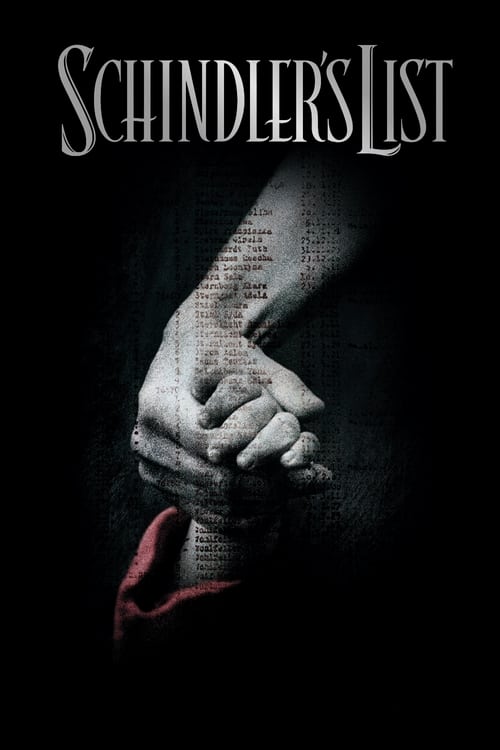
Schindler's List
1993USA★ 8.64 pt match
Both films sit with redemption, sacrifice, and grief. They share the same lens on life under oppression, corrupt institutions, and class and money. Same energy: bleak, haunting, methodical, and escalating.
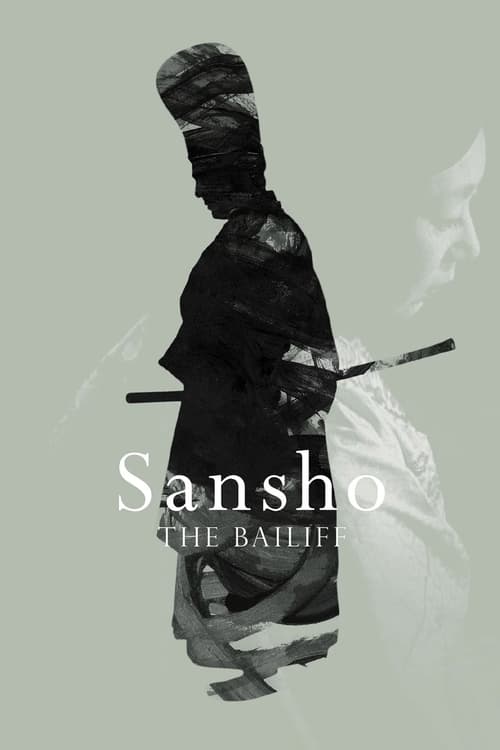
In 11th-century feudal Japan, following the exile of an idealistic governor, his wife and children are separated by slave traders; the children, Zushio and Anju, are sold into brutal servitude under the cruel bailiff Sansho.
If Sansho the Bailiff hit you the right way, here are Hollywood films that share its DNA. Same emotional weight, same kind of stories, same kind of payoff.
Both films sit with redemption, sacrifice, and grief. They share the same lens on life under oppression, corrupt institutions, and class and money. Same energy: bleak, haunting, methodical, and escalating.
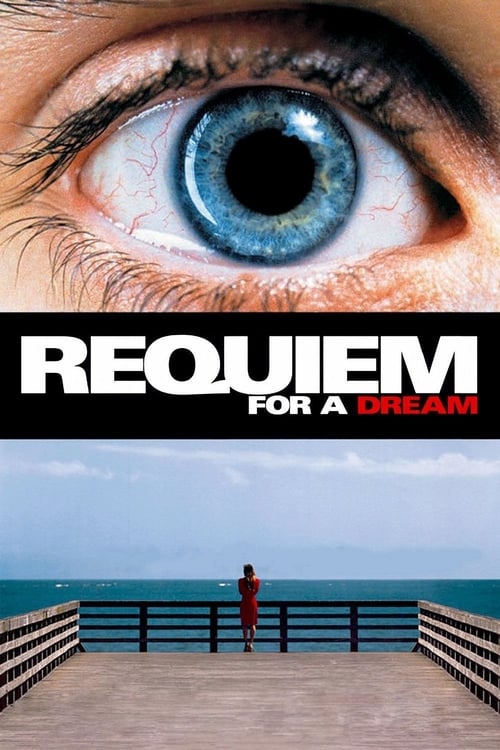
Like Sansho the Bailiff, this one is rooted in feeling powerless, loss of innocence, and grief. The world both films live in revolves around poverty, family wounds passed down, and corrupt institutions. Same energy: bleak, haunting, and escalating.
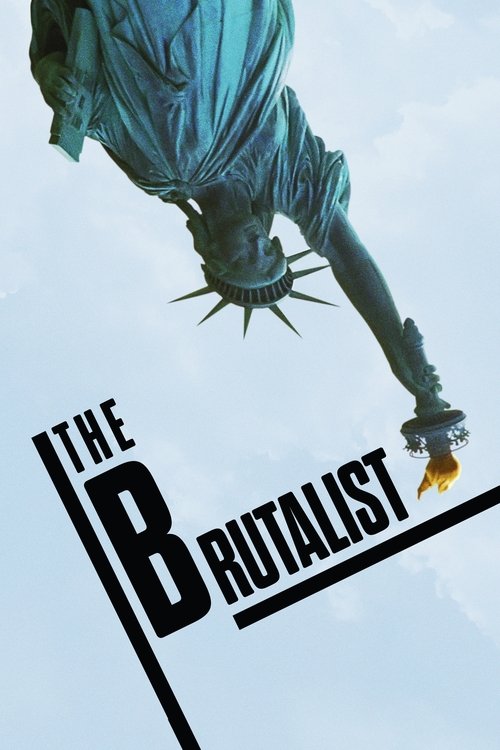
Both films sit with redemption, grief, and longing. The world both films live in revolves around class and money, family wounds passed down, and corrupt institutions. Same energy: bleak, melancholic, slow burn, and methodical.
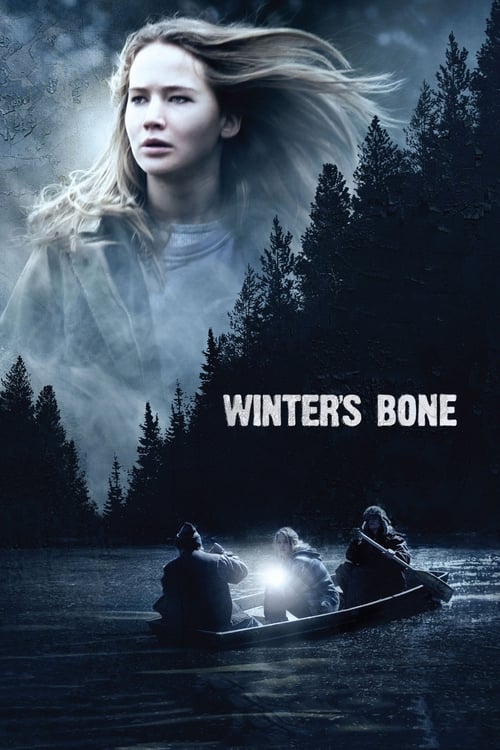
Both films sit with feeling powerless, sacrifice, and loyalty under pressure. The world both films live in revolves around poverty, family duty, and family wounds passed down. Same energy: bleak, haunting, slow burn, and methodical.