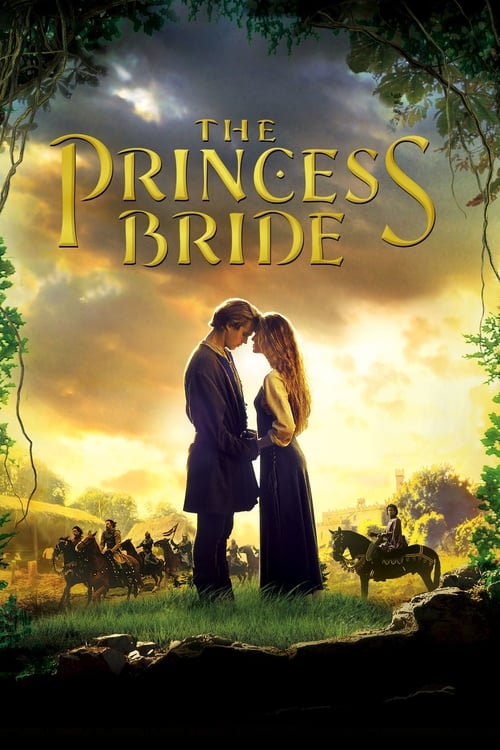
The Princess Bride
1987USA★ 7.75 pt match
Both films sit with belonging. They share the same lens on class and money. Both move the same way too, whimsical, warm, and episodic.
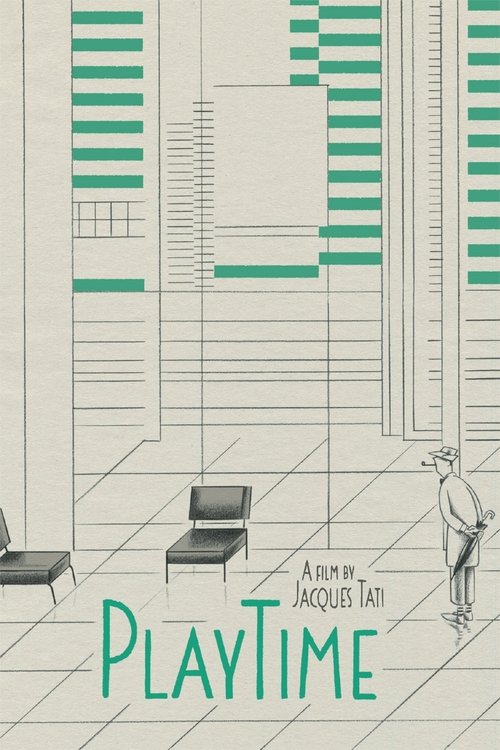
Clumsy Monsieur Hulot finds himself perplexed by the intimidating complexity of a gadget-filled Paris. He attempts to meet with a business contact but soon becomes lost. His roundabout journey parallels that of an American tourist, and as they weave through the inventive urban environment, they intermittently meet, developing an interest in one another. They eventually get together at a chaotic restaurant, along with several other quirky characters.
If PlayTime hit you the right way, here are Hollywood films that share its DNA. Same emotional weight, same kind of stories, same kind of payoff.
Both films sit with belonging. They share the same lens on class and money. Both move the same way too, whimsical, warm, and episodic.
What ties these together is longing. Both circle the same ground: class and money, family wounds passed down, and caught between worlds. The feel is the same: whimsical, warm, and episodic.
Both films sit with figuring out who you are, belonging, and longing. Both circle the same ground: class and money and family wounds passed down. Same energy: whimsical, warm, episodic, and slow burn.
Both films sit with belonging and figuring out who you are. The world both films live in revolves around class and money and family wounds passed down. Both move the same way too, whimsical, warm, and episodic.
What ties these together is belonging, figuring out who you are, and longing. They share the same lens on family wounds passed down, old ways vs. new world, and class and money. Same energy: whimsical, warm, and episodic.