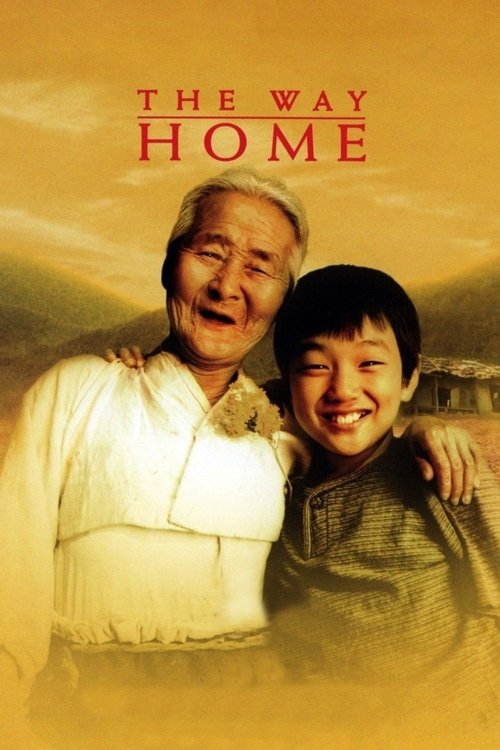
The Way Home
2002South Korea★ 85 pt match
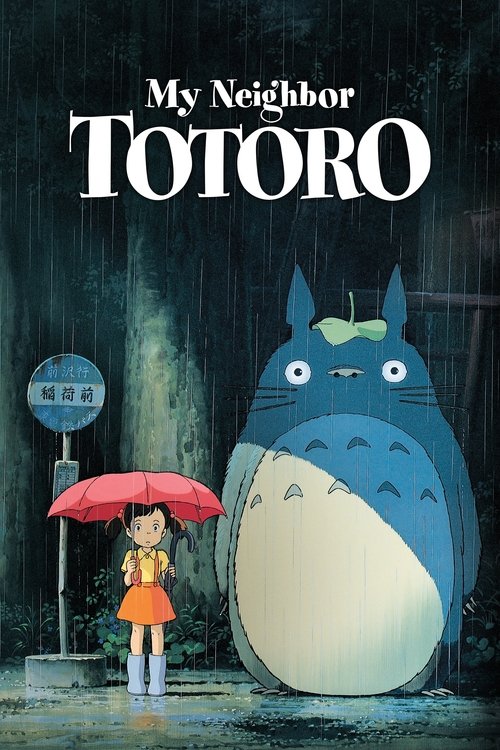
Both films sit with belonging, longing, and the family you choose. They share the same lens on family wounds passed down, family duty, and poverty. Same energy: warm, melancholic, slow burn, and episodic.
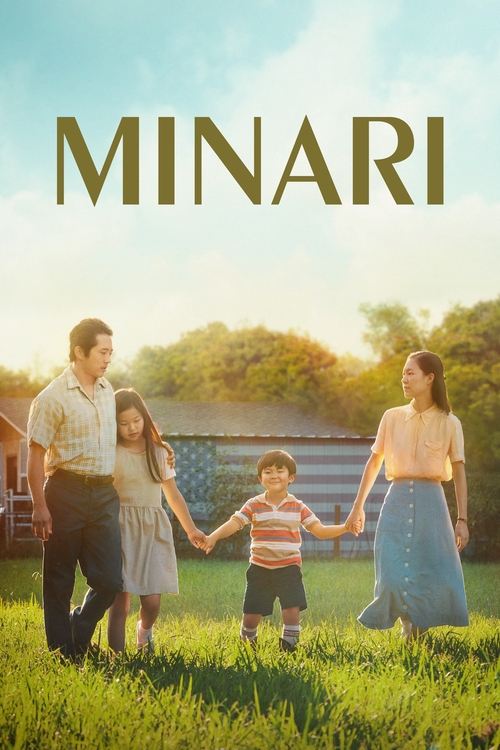
A Korean American family moves to an Arkansas farm in search of its own American dream. Amidst the challenges of this new life in the strange and rugged Ozarks, they discover the undeniable resilience of family and what really makes a home.
These foreign films share the same emotional core, themes, and structural feel as Minari. Every one of them has confirmed English subtitles or dubbing.
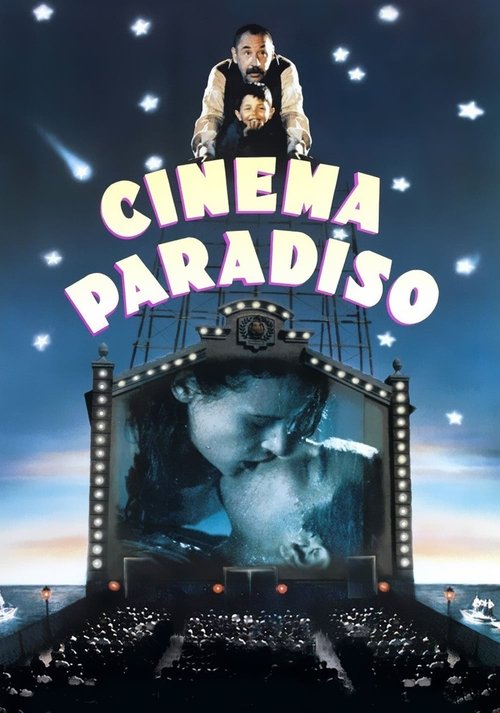
Both films sit with belonging, longing, and the family you choose. They share the same lens on family wounds passed down, family duty, and poverty. Same energy: warm, melancholic, slow burn, and episodic.
What ties these together is grief, longing, and belonging. They share the same lens on family duty and family wounds passed down. Both move the same way too, warm, melancholic, episodic, and slow burn.
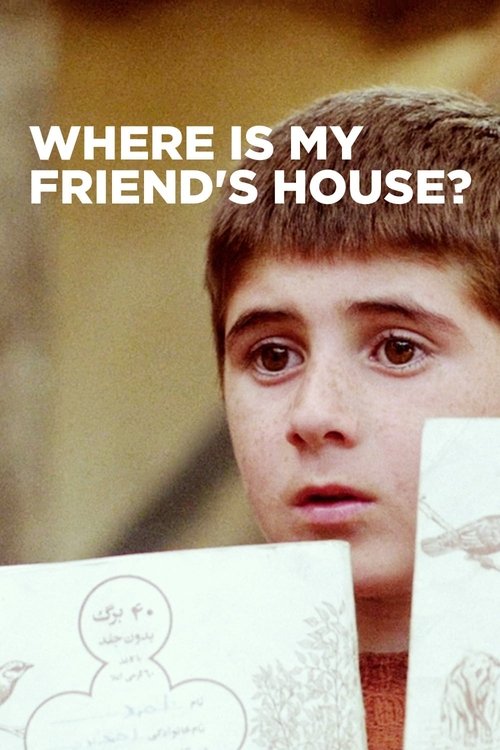
Both films sit with longing, grief, and the family you choose. They share the same lens on family wounds passed down, class and money, and family duty. Same energy: melancholic, warm, slow burn, and episodic.
Tag overlap with Minari across multiple dimensions.
Like Minari, this one is rooted in longing, belonging, and figuring out who you are. Both circle the same ground: class and money, caught between worlds, and family duty. Both move the same way too, melancholic, warm, slow burn, and methodical.
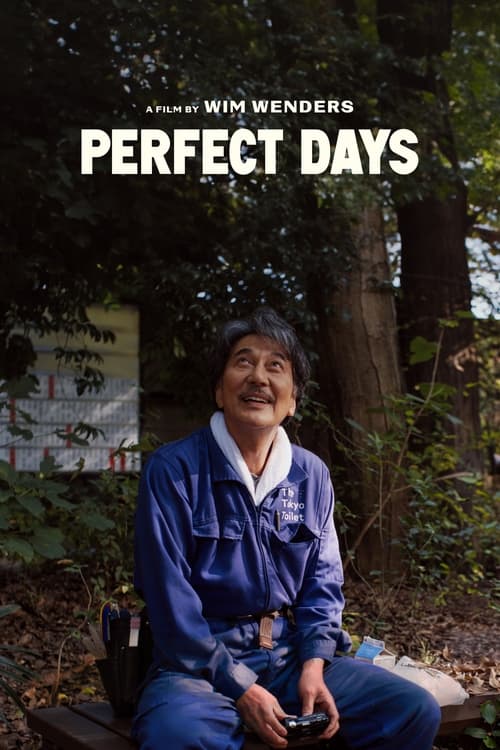
What ties these together is belonging and longing. The world both films live in revolves around class and money, poverty, and family duty. The feel is the same: warm, melancholic, slow burn, and methodical.