
Dallas Buyers Club
Both films sit with injustice, belonging, and loss of innocence. The world both films live in revolves around corrupt institutions, class and money, and life under oppression. Both move the same way too, bleak and dark comedy.

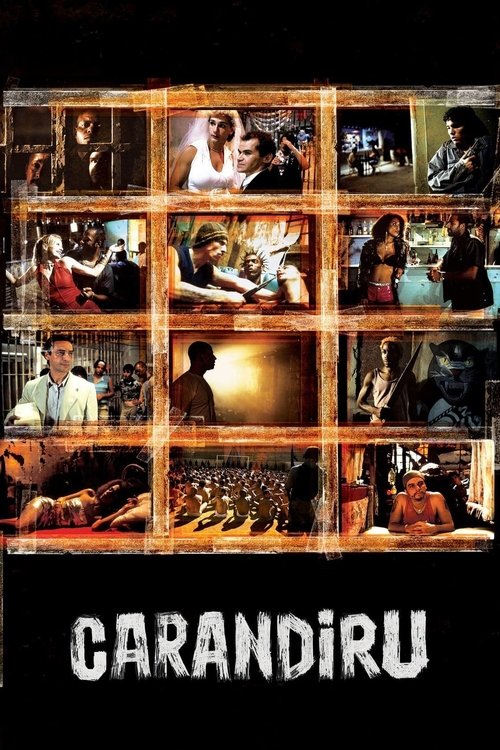
When a doctor decides to carry out an AIDS prevention program inside Latin America’s largest prison: the Casa de Detenção de São Paulo - Carandiru, he meets the future victims of one of the darkest days in Brazilian History when the State of São Paulo’s Military Police, with the excuse for law enforcement, shot to death 111 people. Based on real facts and on the book written by Dráuzio Varella.
If Carandiru hit you the right way, here are Hollywood films that share its DNA. Same emotional weight, same kind of stories, same kind of payoff.
Both films sit with injustice, belonging, and loss of innocence. The world both films live in revolves around corrupt institutions, class and money, and life under oppression. Both move the same way too, bleak and dark comedy.
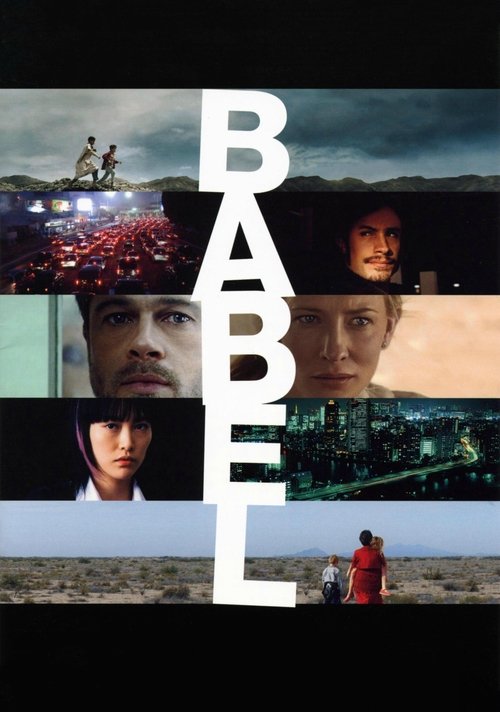
Both films sit with injustice, grief, and loss of innocence. Both circle the same ground: life under oppression, corrupt institutions, and class and money. The feel is the same: bleak and haunting.
Both films sit with grief, feeling powerless, and loss of innocence. They share the same lens on class and money, life under oppression, and family wounds passed down. The feel is the same: bleak, melancholic, and episodic.
What ties these together is feeling powerless, grief, and belonging. They share the same lens on poverty, family wounds passed down, and corrupt institutions. Same energy: bleak and haunting.
Both films sit with loss of innocence and grief. They share the same lens on family wounds passed down, corrupt institutions, and class and money. Same energy: bleak, brutal, and slow build to explosion.