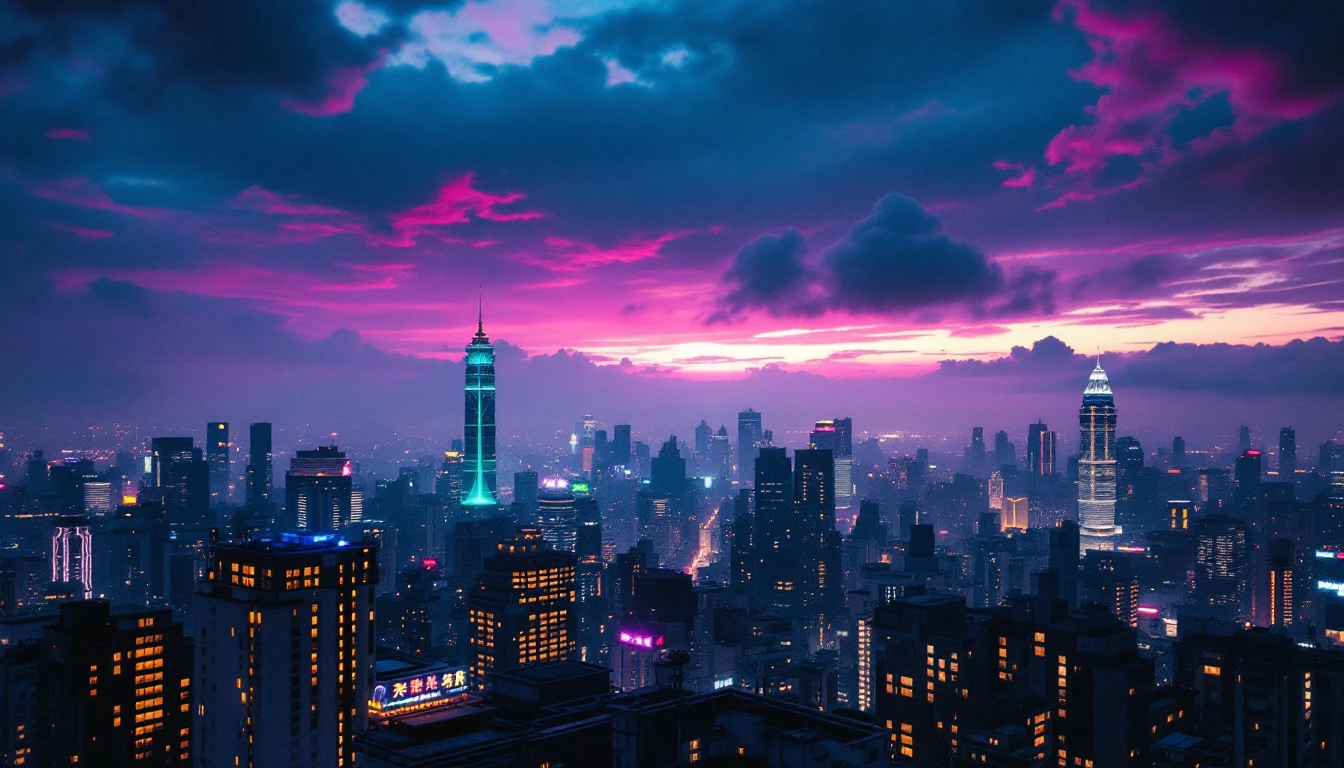
If you bought that OLED for more than Netflix originals, these are the films that justify the purchase. Asian sci-fi has been doing things with scale, color, and practical-digital hybrid visuals that Hollywood blockbusters rarely match. Here are nine films that will actually stress-test your screen.
First, Why Asian Sci-Fi Hits Different on a Good Screen
A lot of American sci-fi defaults to grey-blue grading and shaky-cam chaos. The films below tend to go the other direction: saturated environments, controlled compositions, and lighting that treats darkness as a design choice rather than a budget workaround.
Subtitles do not cost you anything visually. In fact, with films this image-heavy, your eyes are doing most of the work anyway.
Practical note: All nine films below have confirmed English subtitles available. Runtimes range from about 95 minutes to 142 minutes, so most land in normal movie-night territory. Several are streaming on Netflix, Prime Video, or Apple TV Plus. Check each film page for current availability.
The One Built for IMAX That Plays Even Better at Home
Godzilla Minus One (2023, Japan, 7.6/10), Made for a fraction of what Hollywood monster movies cost, this film delivers creature sequences with weight and environmental detail that make the destruction feel genuinely cinematic. The practical-scale compositions and controlled color palette reward a large, calibrated screen.
The visual team leaned into contrast rather than chaos. Every monster sequence is lit with intention. You can actually see what is happening, which sounds like a low bar but is rarer than it should be.
The One That Looks Like a Dream Sequence for Two Hours Straight
Paprika (2006, Japan, 7.8/10), Satoshi Kon built an animated world where dream logic becomes visual grammar, with color transitions and spatial impossibilities that feel genuinely hallucinatory. Every frame is a deliberate compositional choice.
Paprika is the highest-rated film in this list and honestly earns it on pure visual ambition. Animated does not mean simple here. The frame density is absurd in the best way.
The One That Turns a Train Into a Runway of Worlds
Snowpiercer (2013, South Korea, 6.9/10), Bong Joon-ho used a moving train as a canvas to build radically different visual environments back to back, each car its own color world and production design statement. The class divide is visible before anyone says a word.
The film is also genuinely brutal in places, so calibrate expectations. But for sheer production design creativity on a constrained space, very few films match it.
The One Where China Moves the Entire Planet
The Wandering Earth (2019, China, 6.7/10), The premise alone (Earth is the spaceship) demands scale, and the visual team delivers ice-buried cities, Jupiter close-ups, and apocalyptic infrastructure that fills every inch of a wide screen. This is the film that proved Chinese blockbuster sci-fi had fully arrived.
The emotional core is straightforward, which actually helps. You are free to just watch the images without decoding a complicated plot. Put it in the queue the next time you want spectacle done with genuine craft.
The One That Bends Time and Looks Great Doing It
Alienoid (2022, South Korea, 6.8/10), This film cuts between a neon-lit near future and a highly detailed historical Korea with a confidence that makes the tonal whiplash feel intentional. The production design team was clearly having fun.
Lucid Dream (2017, South Korea, 6.4/10), A grief-driven thriller that uses dream-state cinematography to blur memory and present tense, with muted real-world scenes cracking open into vivid interior landscapes. Quieter than the others on this list but visually precise.
The One That Commits Fully to Scale and Sacrifice
JUNG_E (2023, South Korea, 6.1/10), The combat sequences have a kinetic, stylized quality that leans into the film's animation-adjacent visual DNA. The color work in the artificial environments is clean and cold in a way that suits the story's themes.
The Great Flood (2025, South Korea, 6.0/10), Water-based disaster sequences at this scale are genuinely rare in any national cinema. The film uses flooding as both spectacle and emotional pressure, and the environmental cinematography makes the threat feel physical.
The One With the Most Unusual Visual Premise on the List
Okja (2017, South Korea, 7.3/10), Bong Joon-ho again, this time moving between lush Korean mountain landscapes and steel-and-glass corporate interiors, using that visual contrast to do a lot of thematic heavy lifting before the script even needs to. The chase sequences through Seoul are genuinely spectacular.
Okja also pulls off something tricky: a photorealistic CG creature that you actually believe in because the film earns it through cinematography and composition rather than just rendering budget.
Bonus: The Wildcard Worth Knowing About
Illang: The Wolf Brigade (2018, South Korea, 6.3/10), The tactical armor design and rain-soaked Seoul environments give this a visual texture that sits somewhere between dystopian noir and military hardware catalog, in a good way. The night sequences specifically are calibrated beautifully for high-contrast screens.
If you have been sleeping on Korean genre filmmaking for visual ambition, this is a reasonable place to start catching up.
Where to Go From Here
Nine films, nine very different visual approaches. What they share is that someone was clearly thinking about the image, not just the plot. That intentionality is what separates films worth watching on a great screen from ones that happen to be playing on it.
Use Paprika's full breakdown on ReelBridge to start, then follow the DNA tags to find whatever tone you are in the mood for. The catalog has filters built for exactly this kind of screen-worthy discovery.