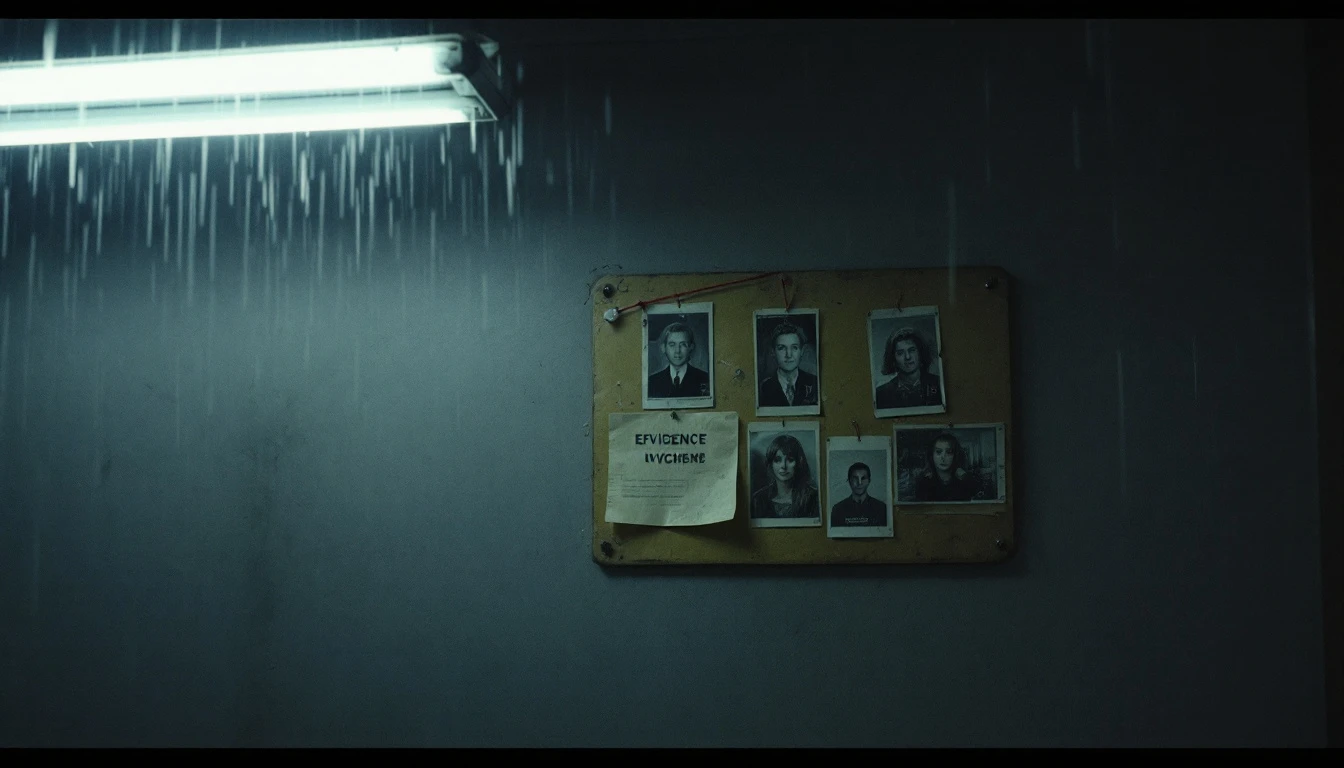
Some detective movies refuse to tie the bow. The killer walks, the case goes cold, and you're left sitting with it. These 7 foreign films do exactly that, and they hit harder for it.
Why the Unsolved Case Works So Well on Film
Hollywood likes closure. Foreign cinema is a lot more comfortable leaving you in the dark. These aren't failures of plot. They're movies that trust you to sit with discomfort, where the investigation reveals something uglier than a single guilty person.
Think about how often you've watched a thriller and felt the ending was a little too neat. These films go the other direction on purpose.
The One That Started It All for Korean Crime
Based on Korea's first recorded serial murder case, this film follows two detectives across years of dead ends, false leads, and brutalized evidence. The killer is never caught on screen, and the final shot of the lead detective staring into the camera is one of the most quietly devastating endings in crime film history.
Bong Joon Ho builds the whole film around institutional failure and individual desperation. The detectives aren't incompetent exactly. They're just outmatched by a reality that doesn't have a clean answer. The unresolved ending isn't a cheat. It's the point.
When the Investigation Destroys the Investigator
The "detective" here is the victim himself, trying to solve why he was imprisoned for 15 years. Park Chan-wook lets him find the answer. Then makes you wish he hadn't. The killer's logic is coherent and the crime is technically solved, but justice never arrives. Nothing is made right.
Built around layered deception, this one flips its own genre. You think you're watching a con go sideways. Then the con goes sideways on the conmen. Guilt shifts hands so many times that by the end, the people with power have been punished, but not by any authority. The system never showed up at all.
France Knows How to Leave a Case Cold
Not a detective film in the traditional sense, but a movie-length investigation into who's responsible for the violence tearing apart a Paris suburb. The answer, by the end, is everyone and no one. Mathieu Kassovitz gives you a countdown to something terrible and refuses to let anyone off the hook, including the audience.
French cinema has a long tradition of crime films where the moral weight of the story outlasts any verdict. La Haine is the sharpest version of that instinct. It's also one of the best arguments for why foreign crime films can go places Hollywood procedurals won't.
Japan's Answer to the Cold Case
Akira Kurosawa's crime film is meticulous and methodical. A kidnapper is caught, yes, but the film's real question, the one about who pays and who suffers in a society divided by wealth, goes completely unanswered. The title is the whole thesis.
Framed as a procedural inquiry into one samurai's request to die with honor, this film slowly reveals a cover-up and a systemic cruelty nobody will be punished for. The institution wins. The man who uncovered the truth is buried with it. The case is officially closed, incorrectly.
The Invisible Guest Goes Somewhere Interesting
A wealthy man hires a top defense attorney to build his alibi before trial. What follows is a twisting reconstruction of a murder where the truth keeps changing. Spanish director Oriol Paulo plays with the detective format by making the investigator the last person you'd expect, and the ending lands closer to moral reckoning than legal resolution.
One More That Earns Its Ambiguity
Bong Joon Ho again, and again the crime is technically visible. You see exactly what happens. But who is responsible? The film refuses a clean answer. The violence is a symptom, not a motive. Nobody is simply guilty. Nobody is simply innocent. The case is open forever.
Parasite belongs here because it does something rare: it makes the audience the detective and gives you all the evidence and still leaves you unsure of your verdict.
What Makes These Movies Stick
The reason unsolved endings hit so hard is that they mirror reality more honestly than a courtroom wrap-up ever could. Crime is usually about power, poverty, or institutional failure. Those things don't get resolved in the final scene.
The films above aren't trying to frustrate you. They're showing you something true about how wrongdoing actually works, how it hides, how it persists, and how rarely it gets a name attached to it in the end.
Want more foreign crime films sorted by how they make you feel, not just by country or decade? Browse the full collection at ReelBridge and filter by mood, starting with films tagged for gut-punch endings and slow-burn investigations.