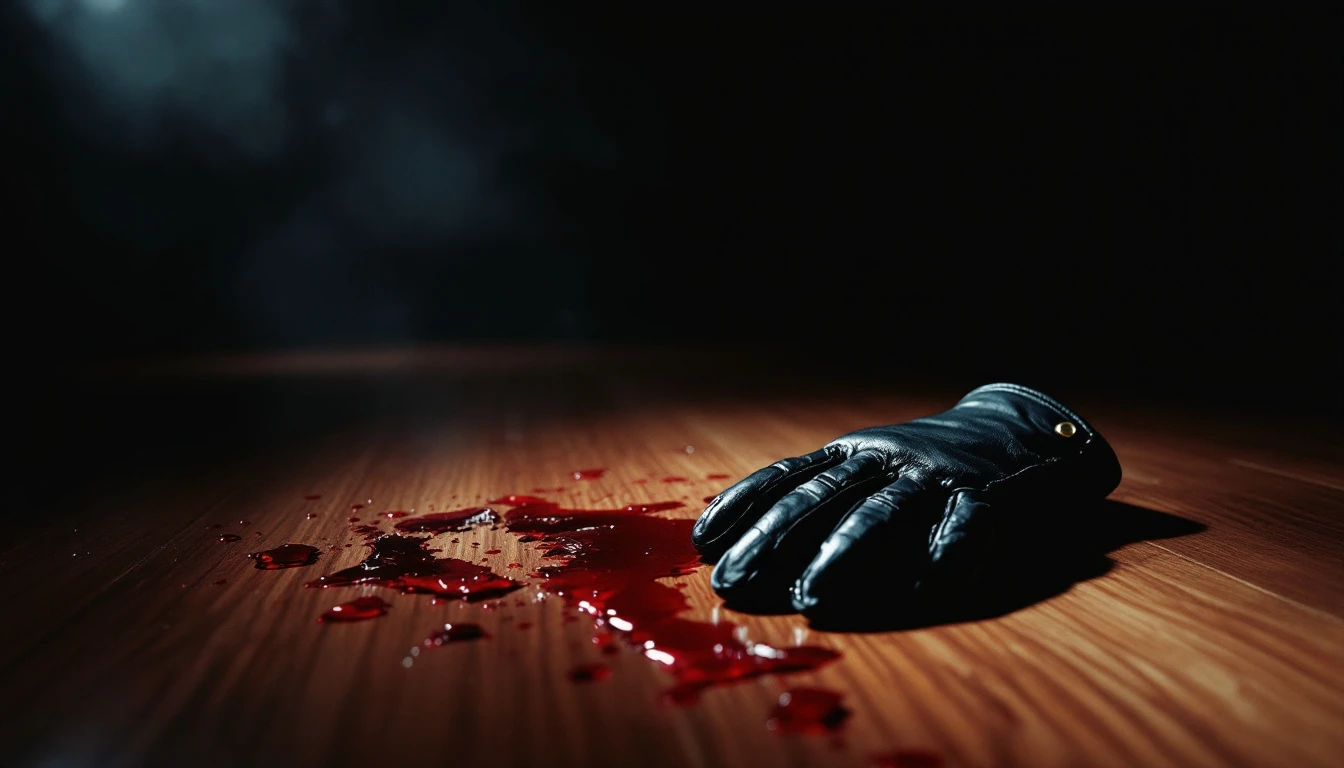
If you loved the look of a slick thriller and wished it came with more style, stranger logic, and genuinely unsettling kills, giallo is already your thing. You just haven't met it yet. Here are the Italian films in our catalog to start with, plus the context to actually enjoy them.
So What Actually Is Giallo?
Giallo (pronounced jahl-oh, Italian for "yellow") started as a paperback crime fiction genre named after the yellow covers on cheap Italian pulp novels. In film, it became something wilder: a hybrid of murder mystery, slasher horror, and pure visual excess that ran hot from the late 1960s through the 1970s.
The typical giallo gives you a mystery killer whose identity stays hidden (usually behind black gloves), elaborate death sequences treated like set pieces, a protagonist who is an amateur rather than a cop, and a visual style that prioritizes color and camera movement over logic. That last part matters. If you go in expecting tight plotting, you will be confused. If you go in for atmosphere and sensation, you will have a great time.
The Two Names You Need to Know First
Most of the genre runs through one director: Dario Argento. He is to giallo what John Carpenter is to American slashers. His films are not particularly interested in realism. They are interested in making you feel like something is deeply, visually wrong, and they succeed.
The other name worth knowing is Mario Bava, who essentially invented the genre's film grammar in the early 1960s. Argento picked up that grammar and turned the volume all the way up. The two films below represent the best entry points we have available right now.
A musician witnesses a brutal murder and becomes obsessed with solving it before the killer reaches him. This is the purest giallo entry point we have: the black-gloved killer, the razor-sharp visual compositions, the prog-rock score by Goblin, and a mystery that actually lands. Watch this one first.
A young girl at a Swiss boarding school discovers she can communicate with insects, and a serial killer is working the surrounding countryside. This is late Argento, stranger and more operatic, with a teenager and a chimpanzee as your unlikely investigative team. It makes more sense than it sounds, emotionally if not logistically.
Why the Violence Looks the Way It Does
Giallo violence is theatrical on purpose. These films came out of a country where censors watched for political content more closely than gore, and directors took full advantage. The kills are choreographed like dance sequences. The color palette, almost always oversaturated reds and deep blacks, turns blood into something closer to expressionist painting than documentary record.
This is genuinely different from American slashers of the same era, which leaned toward gritty realism. A film like The Texas Chain Saw Massacre wants you to feel like this could happen in the real world. Argento wants you to feel like you are trapped inside a nightmare that has been art-directed to perfection. Both approaches work. They are just doing completely different things.
The Sound Is Half the Experience
Do not watch giallo on mute or low volume. The scores are a major part of the deal. Argento collaborated extensively with the band Goblin, and the combination of their prog-rock compositions with his visuals is one of the defining sounds in all of horror cinema. Deep Red and his earlier work Suspiria (2018) both demonstrate what it sounds like when a horror film uses music as active aggression rather than background mood.
The original 1977 Suspiria (not in our catalog) has the more famous Goblin score, but the remake carries enough of that sonic DNA to give you a sense of what the tradition feels like. The point is: wear headphones, or use good speakers.
Giallo's Fingerprints Are Everywhere
If you have watched modern horror and wondered where certain stylistic choices came from, the answer is often giallo. The subjective killer POV shot that Halloween uses constantly? Bava and Argento were doing it a decade earlier. The elaborate, almost ritualistic kill sequences that franchises like Saw leaned into? That is a direct line.
You can draw a clear thread from Argento's work straight through to later American horror. Understanding giallo does not just give you two good Italian films. It recontextualizes a lot of what came after.
The elaborate-trap structure and the almost aesthetic pleasure the film takes in its own mechanics are pure giallo thinking imported into an American framework. Watching Saw after Deep Red, the debt becomes obvious.
The POV killer methodology and the sustained tension-over-gore approach both trace back to the Italian genre Carpenter watched closely. Halloween is the American refinement of ideas giallo pioneered.
Where to Go After Argento
Once you have watched Deep Red and want more of that lurking, stylized dread without staying in Italy, the Spanish thriller tradition is the closest thing to a giallo heir. Spain produced a run of suspense films in the 1990s and 2000s that share the genre's obsession with investigation, paranoia, and visual control.
A film student investigating violent snuff films stumbles into something real and immediately dangerous. It has the giallo amateur-investigator structure, the escalating dread, and a genuinely clever mystery underneath all of it.
A woman losing her eyesight investigates her twin sister's apparent suicide while someone watches her. The film exploits perspective and visibility in ways that feel directly influenced by the Italian tradition, and it uses its gimmick better than most.
A French entry that strips giallo down to pure mechanical tension: two women, a farmhouse, a killer, no exits. It takes the genre's brutality seriously and delivers one of the more relentless pursuit films in European horror.
One Honest Caveat About the Genre
Giallo is not for everyone, and you should know what you are signing up for. The plotting is often genuinely absurd. Characters make decisions that only make sense if the film's dream logic is operating rather than real-world cause and effect. The gender politics, particularly around female victims, are of their era and sometimes uncomfortable to watch with modern eyes.
None of that means you should skip it. It means you should watch with the right frame: these are films about sensation, image, and mood, not tight narrative craft. If you can enjoy a film the way you enjoy a particularly good nightmare, where the feeling is the point and the logic is secondary, giallo will reward you.
This is the extreme end of Italian exploitation cinema, included here as a reference point rather than a first recommendation. It sits adjacent to giallo in the same cultural moment and shares the genre's interest in transgression as a formal strategy. Approach with clear expectations about what you are getting into.
Start with Deep Red's full breakdown on ReelBridge and let the recommendations build from there. The genre is smaller than it looks from the outside, and once you have seen two or three of the key films, the whole shape of it becomes clear fast.