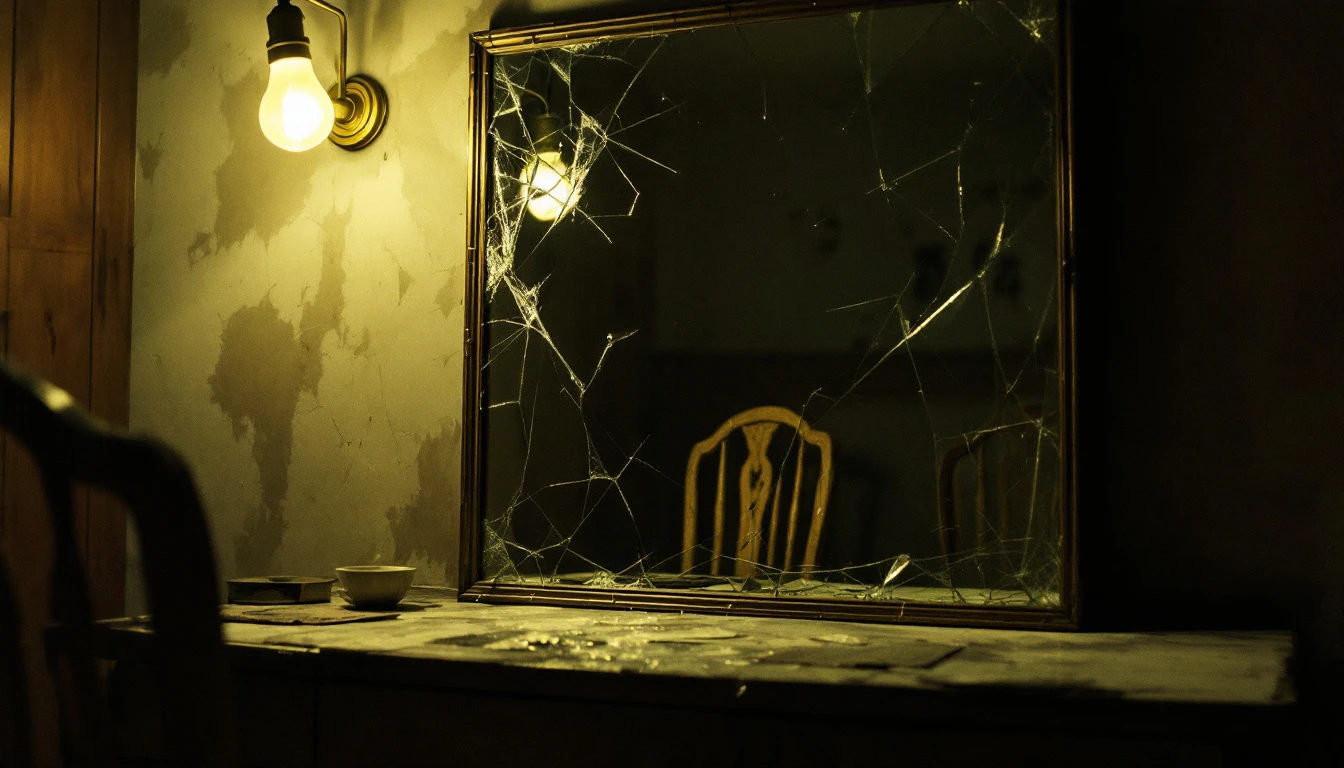
If you loved Black Swan's spiral into obsession and lost identity, Perfect Blue was doing the same thing three years earlier, and some scenes are almost identical. Here are the films that pair with both of them, and why the combination hits so hard.
Why These Two Films Are Basically the Same Movie
A young woman chasing artistic perfection starts to lose her grip on what's real. Her reflection turns against her. The audience isn't sure what's a performance and what's a breakdown. Darren Aronofsky has openly acknowledged that Perfect Blue was a reference point when making Black Swan, and if you watch them back to back the DNA is undeniable.
The double feature works because they come at the same nightmare from different angles. One is live-action ballet in New York. The other is anime in Tokyo's idol industry. Same psychological machinery underneath.
Start Here: Perfect Blue Is the Blueprint
Pop idol Mima quits singing to become an actress, and reality slowly peels apart around her. Satoshi Kon built a horror film out of identity, performance, and the male gaze before most directors had words for any of those things.
Watch Perfect Blue first if you haven't seen either. It gives the double feature its architecture. Black Swan takes Kon's framework and dials the physical body horror up while Perfect Blue keeps things more cerebral, more clinical in its dread. Together they cover the full spectrum.
The Core Theme: Performance as Self-Destruction
Both films ask the same question: what happens when you pour so much of yourself into a role that the role starts pouring back? The protagonist stops being a person and becomes a performance of a person, and neither she nor the audience can find the seam.
This is different from a standard identity-crisis movie. The pressure isn't just internal. It comes from audiences, directors, industry structures, and the specific cruelty of art forms that demand you give everything while pretending you're giving nothing. That social pressure is half the horror.
If You Want More Films That Live in That Same Headspace
A man imprisoned for fifteen years without explanation is suddenly released, and the investigation into why turns into something far worse than the prison ever was. Park Chan-wook builds dread the same way Kon does: by making you think you understand what's happening, then showing you how wrong you were.
A con game involving a Japanese heiress and her new handmaiden keeps folding back on itself, with each act recontextualizing what you already saw. The film is obsessed with performance, deception, and who controls the story, which puts it squarely in the Black Swan and Perfect Blue territory.
Based on South Korea's first documented serial murder case, this one earns its gut punch through helplessness rather than shock. As two detectives spiral closer to the truth and further from any real control, the psychological weight becomes suffocating in the best way.
The Identity Crisis Angle, Specifically
Both Black Swan and Perfect Blue are ultimately about a self that fractures under external pressure. If that specific feeling is what hooked you, a few other catalog films go exactly there.
The Park family infiltration requires every member of the Kim family to perform a version of themselves they can barely sustain. Bong Joon-ho uses class anxiety the same way Aronofsky uses perfectionism: as the thing that makes maintaining the performance physically impossible.
Hideaki Anno's climax to the Eva series is one of the most viscerally psychological animated films ever made. Shinji's dissolution of self is depicted with the same unhinged visual logic that Satoshi Kon used in Perfect Blue, and it's about as comfortable to watch.
For the Body Horror and Dread Side of the Double Feature
Black Swan's horror comes through the body. Nina's physical transformation mirrors her psychological one, and the film is almost nauseating at its peak. If that physical dread is what you want more of, these fit.
Not a horror film, but the tension is physical and relentless in the same way. Three young men from a Paris housing project move through a single night that feels like it might combust at any moment. The dread is social rather than supernatural, but the body carries it the same way.
A Belarusian teenager's face and body visibly age and collapse over the course of a single WWII experience. The transformation is so convincing it works on the same register as Nina's in Black Swan, showing physical cost instead of just telling it.
The Quieter, Slower Version of the Same Feeling
Not every film in this space comes at you with full psychological assault. Some of the most effective ones do it slowly, almost gently, until you realize how deep you've gone.
A painter and her subject become so entangled that neither can fully separate the person from the image being made. The power dynamic and the question of who controls representation runs directly parallel to what both Black Swan and Perfect Blue are doing, just at a slower burn.
Edward Yang's four-hour film about a teenager losing himself to his environment and his own impulses is the long, quiet, devastating version of the loss-of-self story. It's a commitment, but it earns every minute.
How to Build the Actual Double Feature
The classic pairing is Perfect Blue then Black Swan, but since Black Swan isn't in the catalog, here are two alternatives that work as standalone double features from what's above. Option one: Perfect Blue plus Oldboy. Both are 2003-era Korean and 1998 Japanese, both end on a revelation that recontextualizes everything, both are exhausting in the best way. Option two: Perfect Blue plus The Handmaiden. The con-and-performance theme runs through both, and Park Chan-wook's visual style rhymes with Satoshi Kon's more than most people expect.
Either way, you're in for a night that will make you question what you're actually seeing on screen, which is exactly the point. Browse the full breakdown for PERFECT BLUE's confirmed subs and streaming options on ReelBridge, then let the recommendation engine find your next double feature from there.