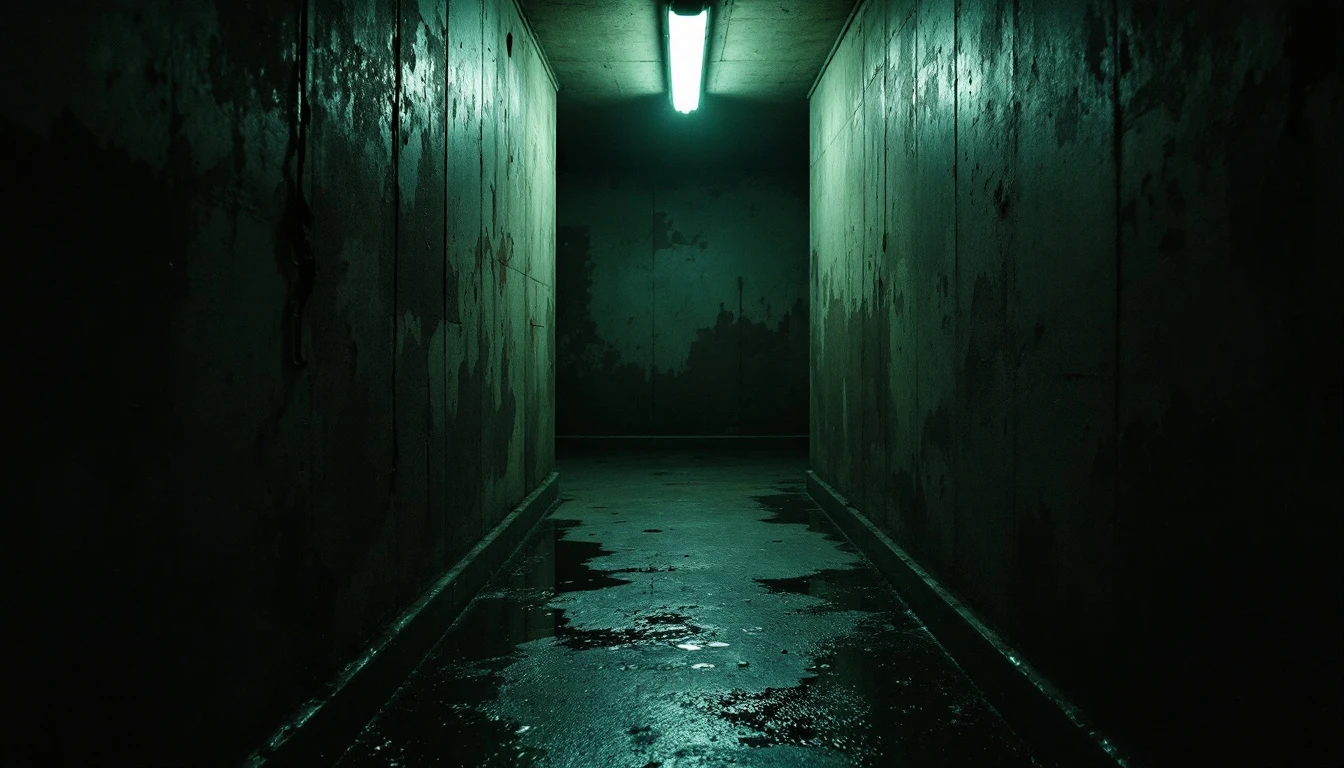
You loved 2001 or Blade Runner and you want something that hits the same slow, eerie, philosophical nerve. Soviet science fiction did that before most of Hollywood caught on, and two films in our catalog are the real deal.
Wait, Only Two? Here's the Honest Picture
The title promises eight Soviet-era sci-fi films. Our catalog carries two. But they happen to be the two that matter most: Andrei Tarkovsky's Stalker and Solaris. If you only ever watch two films from behind the Iron Curtain, these are the ones every serious film conversation points back to.
Below we'll break down what makes them work, who they're actually for, and which other films in our catalog scratch a similar itch if you want to keep going after the credits roll.
The Two Soviet Films You Actually Need to See
Three men hire a guide called the Stalker to lead them through a forbidden wasteland toward a room that supposedly grants your deepest wish. Almost nothing explodes. Almost nothing is explained. It is one of the most quietly suffocating films ever made, and it will stick with you for days.
A psychologist travels to a space station orbiting a mysterious ocean planet and finds the crew has been visited by physical manifestations of their own buried grief. Tarkovsky again, slower, wetter, and somehow even more interior. Think of it as the Soviet answer to a film like 2001: A Space Odyssey, except the cosmos here is entirely emotional.
What Makes These Films Feel So Different
Hollywood sci-fi in the same era was mostly concerned with hardware: rockets, computers, alien threats. Tarkovsky was concerned with consciousness. Both Stalker and Solaris use science fiction as a container for questions about guilt, longing, and what it means to want something you cannot name.
The pacing is deliberate. Long takes, ambient sound, landscapes that feel alive and hostile without any obvious CGI tricks. If you have the patience, the payoff is genuinely unlike anything produced in the same decade anywhere else.
Are These Actually Watchable for a Casual Audience?
Honest answer: they require something from you. Stalker runs around 163 minutes and has almost no plot in the conventional sense. Solaris clocks in near 167 minutes. Neither has action sequences or a tidy resolution.
What they do have is atmosphere so thick you can almost feel it. If you have ever sat with a film like Blade Runner 2049 and appreciated the silence between scenes, you are probably the right audience for these.
If Stalker's DNA Is What You're After, Try These Next
The slow-burn, cerebral, existentially uncomfortable zone that Stalker occupies has some modern company. These films share at least part of that frequency.
-
Under the Skin (2014, UK, 6.1/10)
An alien entity moves through Scotland harvesting men, and the film never explains itself or apologizes for the discomfort. Dreamlike pacing, haunting atmosphere, and a genuine sense of wrongness underneath every frame. -
Her (2013, USA, 7.8/10)
Quietly melancholic sci-fi about longing and connection, set in a near future that feels more like a mood than a place. It shares Solaris's concern with grief wearing a familiar face. -
Ad Astra (2019, USA, 6.1/10)
Divisive on release, but its slow-burn meditation on a son searching for a father across deep space is closer to Tarkovsky's emotional register than most American sci-fi ever gets.
If the Cerebral Puzzle Side Is What You Want
Soviet sci-fi was also famous for treating its audience as intelligent. No hand-holding, no on-screen explanations. If that quality is what draws you in, these films push the same button.
-
Primer (2004, USA, 6.8/10)
Two engineers accidentally invent time travel and the film refuses to simplify any of it. Cold, clinical, paranoid, and genuinely demanding. Tarkovsky would probably respect the commitment. -
Coherence (2013, USA, 7.2/10)
Eight friends at a dinner party during a comet passing start to suspect their reality has fractured. Tense, cerebral, and built entirely on dread and implication rather than spectacle. -
Timecrimes (2007, Spain, 7.0/10)
A tight Spanish sci-fi thriller about a man who accidentally enters a time loop and makes it worse with every decision. Smart, efficient, and treats causality with the same seriousness that Soviet sci-fi brought to ideas.
The Short Version
The catalog has two Soviet-era sci-fi films. Both are Tarkovsky. Both are worth your full attention on a quiet evening when you are ready to sit with something rather than just watch it. Start with Stalker's full breakdown if you want the more alien experience, or check out Solaris with confirmed English subs if grief and memory sound like the right entry point.
Find both films alongside every recommendation above, with subtitle confirmation and runtime notes, on ReelBridge. Search by mood, not just genre, and you will keep finding things you didn't know you needed.