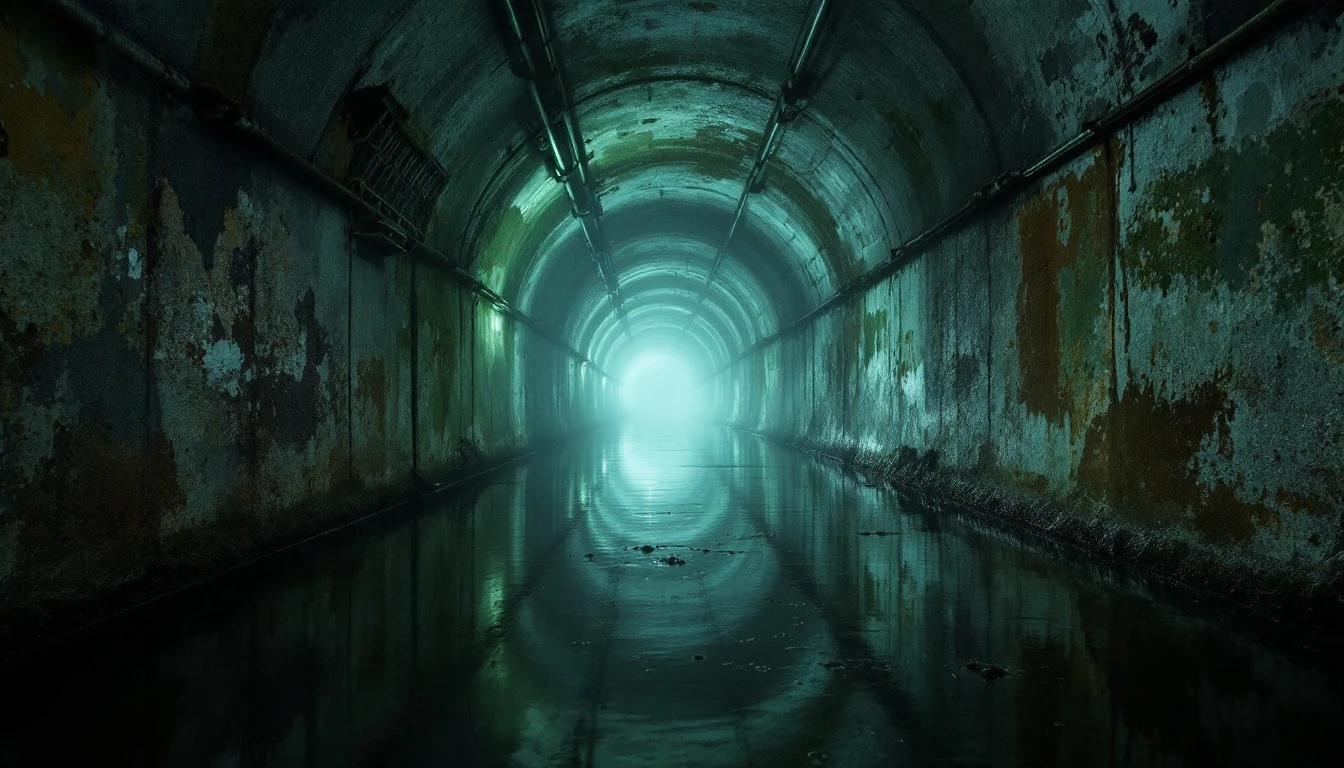
If you've heard Tarkovsky's name and wondered what the fuss is about, here's the honest answer: his two science fiction films are slow, strange, and genuinely unforgettable. Start here, not with his entire catalog, and you'll understand why people still talk about him forty years later.
Who Is Tarkovsky and Why Should You Care?
Andrei Tarkovsky was a Soviet filmmaker working from the 1960s through the 1980s, and he's considered one of the most influential directors who ever lived. That sounds like a lot of hype until you actually watch something he made.
His science fiction films are nothing like what Hollywood calls sci-fi. No laser battles, no exposition dumps, no ticking countdown clocks. What you get instead is atmosphere so thick you can almost feel it, and questions that stick around for days after the credits roll.
The Two Films You're Here For
Tarkovsky only made two films that fall squarely into science fiction territory. Both are in our catalog, both have confirmed English subtitles, and both will reward your patience in ways that are hard to describe without sounding like a pretentious person at a dinner party.
What "Slow Burn" Actually Means Here
You'll see the phrase slow burn used to describe these films and that is accurate, but it undersells what's actually happening. Tarkovsky uses long, uncut takes and near-silence to put you into a specific mental state. It's closer to meditation than to suspense.
Both Solaris and Stalker carry a DNA tag of slow burn pacing combined with a cerebral audience experience. That combination means the films are doing something to your head on purpose, not because Tarkovsky forgot to add plot. Give them twenty minutes before you decide how you feel.
What Each Film Is Really About
Solaris is about guilt, memory, and whether love can survive the parts of a person you didn't know or didn't accept. The alien ocean is almost irrelevant as a sci-fi device. It's the emotional machinery that matters.
Stalker is about faith. The three men who enter the Zone represent a writer, a scientist, and a true believer, and the film is essentially a philosophical argument between those three worldviews played out across a blasted, beautiful landscape. Neither film gives you a clean resolution, and that's not a flaw.
Do You Need to Watch Them in Order?
No strict order is required. Solaris (1972) came first and is slightly more emotionally accessible because it has a clearer emotional anchor in its main character. Start there if you want a gentler on-ramp.
Stalker (1979) is the more demanding film and also the one most fans call the more rewarding. If you've already seen something slow and challenging and liked it, go straight to Stalker. Either path works.
Setting the Right Expectations
These films will not thrill you in the way an action movie does. What they will do is create a mood that's hard to shake. Solaris runs about 165 minutes. Stalker runs about 163 minutes. Both feel long and worth it.
- Watch with the lights low and your phone in another room if you can manage it.
- Don't expect plot summaries to capture them. The experience is the point.
- If your mind wanders during a long take, let it. Often that's part of the design.
- Subtitles are confirmed on both films. You won't lose the sparse dialogue.
If You Want More Tarkovsky Beyond Sci-Fi
Once you're through both sci-fi films and want to keep going, Tarkovsky's other work in our catalog is waiting. These aren't science fiction, but they share the same hypnotic visual style and emotional weight.
When you're ready to find your next Tarkovsky or discover something else that scratches the same itch, the ReelBridge discovery tool will match you based on mood and pacing, not just genre. Start with Solaris or Stalker, then let it take you somewhere unexpected.