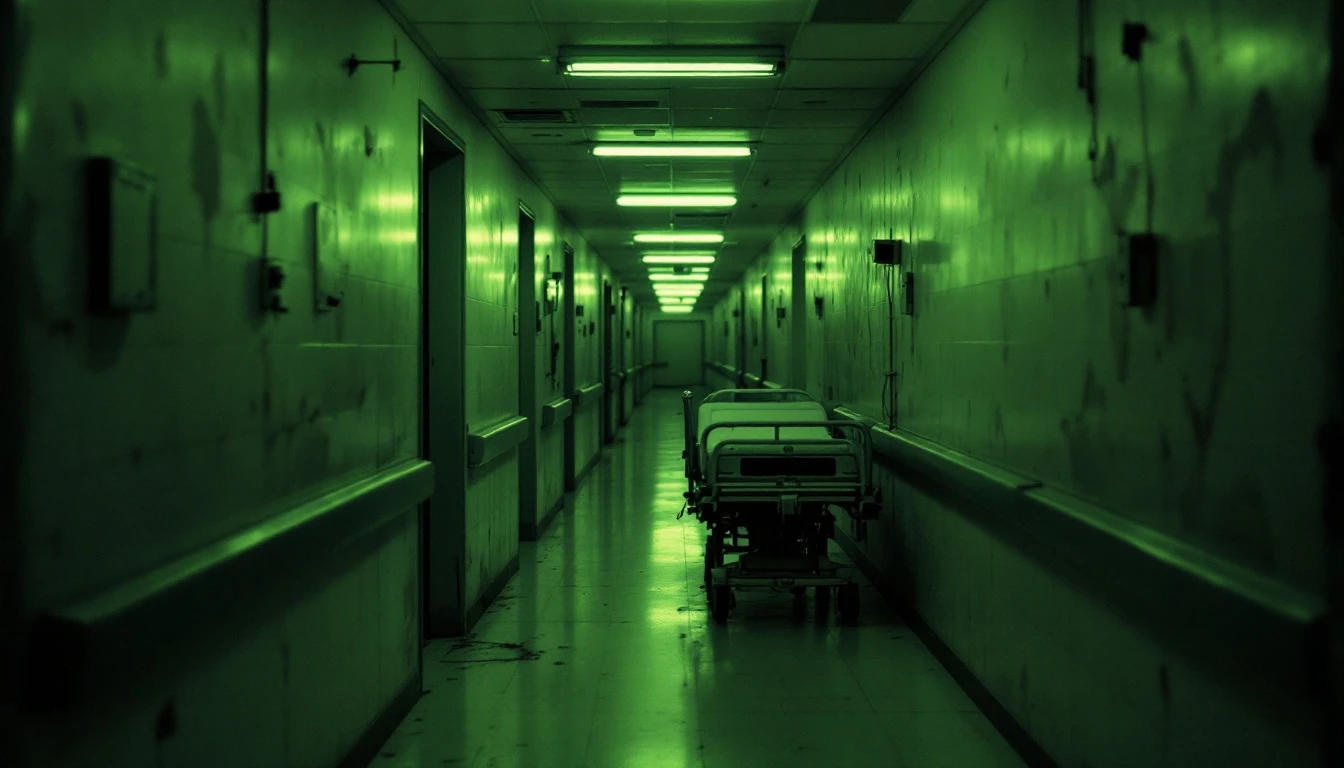
Romanian cinema has a reputation for slow burns and social realism, but the best of it hits like a thriller even when no one's running or shooting. These six films keep you tense from the first scene because the stakes are real, the systems are broken, and nobody gets out clean.
Why Romanian Cinema Hits Different
The Romanian New Wave, which kicked off roughly in the mid-2000s, built its whole identity around pressure. Not action-movie pressure. The kind where a bureaucrat won't stamp a form, a doctor won't admit a patient, or a parent makes one quiet, terrible choice. That pressure is relentless.
You don't need to know anything about Romania to feel it. These films are rooted in specific places and politics, but the helplessness, the moral compromise, the institutions grinding people down, that's universal enough to hit any American viewer hard.
The Film That Put Romanian Cinema on the Map
Two college women navigate an illegal abortion under Ceaușescu's Romania in a single, suffocating day. Every room feels like a trap, every person an obstacle, and the tension never once lets up.
This is the one to start with. Director Cristian Mungiu won the Palme d'Or at Cannes for it, and the film earns every bit of that reputation. It is structurally a thriller, even though it is built entirely from quiet, long takes and no soundtrack. The stakes could not be higher.
The Slow-Motion Nightmare of a Broken Health System
An elderly man gets shuffled from hospital to hospital in a single night as the system finds reasons to pass him along. It plays like dark comedy until you realize it isn't funny at all.
Director Cristi Puiu set the template here for what Romanian cinema would become. The film is nearly two and a half hours, but it moves. Every scene adds another layer of institutional failure, and you keep watching because you genuinely want someone to help this man.
The horror is that nobody in the film is cartoonishly evil. Everyone has a reason. That is what makes it sting.
When Love Becomes a Siege
A woman returns to a remote Orthodox monastery to reclaim her childhood friend, and the community's religious fervor slowly closes around both of them. Based on a true story, which makes it worse.
Mungiu again, and again with his signature style: long takes, naturalistic performances, a total refusal to tell you how to feel. The thriller element here is slow but unmistakable. You watch a situation deteriorate and you cannot look away.
This one works well after you've seen 4 Months, 3 Weeks and 2 Days. You start to recognize the pattern, a system (religious, medical, political) pressing down on individuals who have no real recourse.
A Father's One Corrupt Bargain
A doctor who built his life on integrity bends his ethics just once to help his daughter's future, and that single decision starts pulling threads. Quietly devastating in the way only Romanian cinema manages.
Mungiu's third film in this list, and it completes an unofficial thematic trilogy about moral compromise. The thriller here is internal. You watch a good man rationalize, and the film watches him back without blinking.
If you have ever made a small compromise that felt justified at the time, this film will sit with you. It earns its tension from guilt, not from plot twists.
A Family Gathering That Becomes an Interrogation
A family crowds into a small Bucharest apartment for a memorial meal, and over the course of several hours, old wounds, conspiracy theories, and generational resentments surface one by one. The tension is entirely social, and entirely real.
Cristi Puiu directed this one, and at nearly three hours it is a commitment. But if you liked The Death of Mr. Lazarescu, you know Puiu earns his runtimes. This is a pressure cooker built out of conversation and cramped spaces.
Think of it as a thriller where the danger is the family itself. Nobody is safe from being exposed, and nobody gets to leave the apartment until Puiu is ready.
The Mungiu vs. Puiu Breakdown
If you're new to Romanian cinema, it helps to know the two directors who define it. Cristian Mungiu (4 Months, Beyond the Hills, Graduation) tends toward moral and political pressure, where individuals get crushed by ideology or corruption. Cristi Puiu (The Death of Mr. Lazarescu, Sieranevada) is more interested in systems and time, the grinding, documentary-feeling passage of a terrible situation.
Both directors use long takes, no non-diegetic music, and non-professional or stage-trained actors. The effect in both cases is that you forget you're watching a film. That is where the real tension lives.
Which One Should You Watch First?
- Start with 4 Months, 3 Weeks and 2 Days if you want the most purely thriller-shaped entry point.
- Go to The Death of Mr. Lazarescu if dark, slow-burn social horror sounds right for your mood.
- Pick Graduation if you want something that feels closest to a conventional drama while still landing the gut punch.
- Save Sieranevada for when you're ready to commit to nearly three hours of controlled claustrophobia.
Ready to find your next watch? Browse the full Romanian New Wave collection on ReelBridge, with streaming links, runtime info, and English subtitle confirmation for every film.