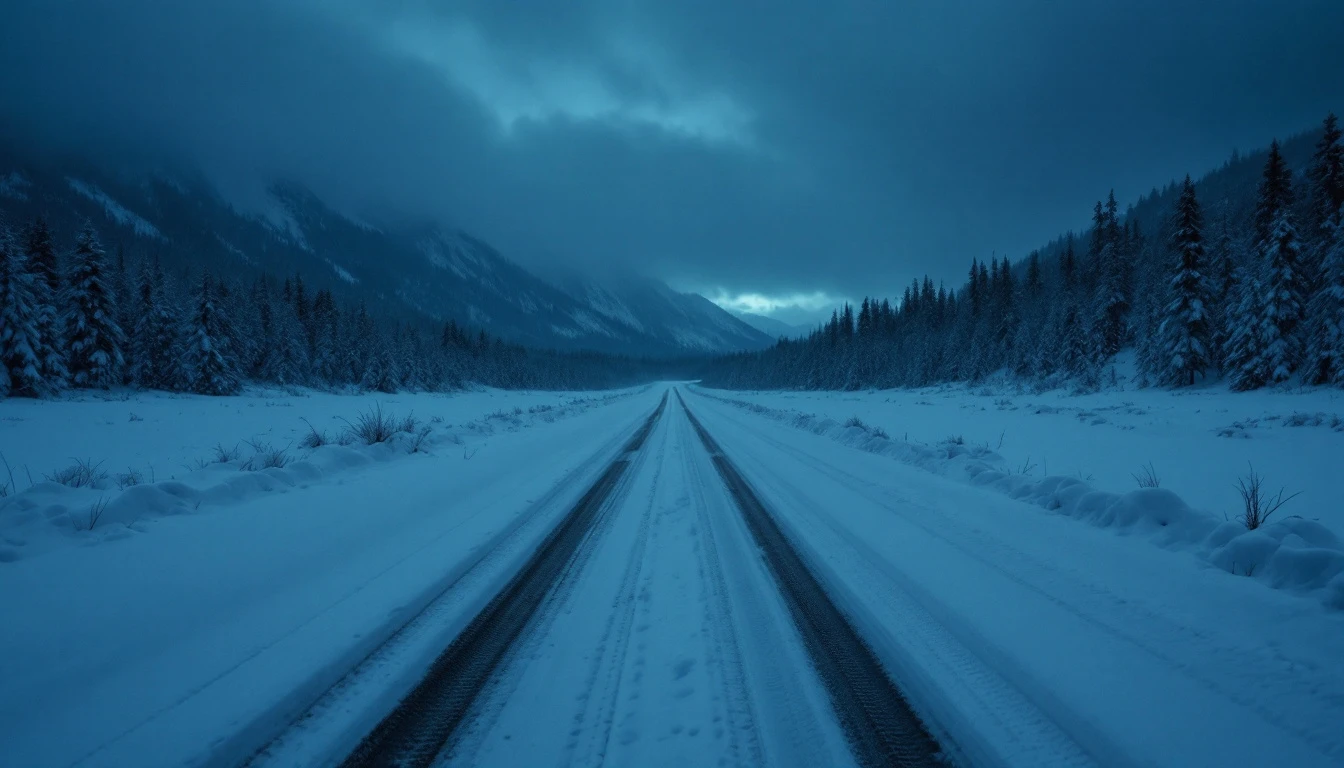
If you love horror that uses freezing cold and total isolation as weapons, these seven foreign films will get under your skin fast. No cell service, no escape, no warmth. Just dread.
The Cold Is the Monster
The best isolated horror doesn't need a complicated backstory. It needs walls that can't be escaped, and few walls are more absolute than a blizzard. When characters can't run, the psychological pressure does the heavy lifting.
The films below lean into that pressure hard. Some use frozen landscapes as backdrop for something supernatural. Others let the cold itself feel like a living threat. All of them understand that helplessness is scarier than any creature.
The Paranoia Masterclass: Something in the Ice
Worth naming upfront because it's the reference point. Everything else here is what happens when filmmakers from other countries take that same cold-and-isolated setup and put their own cultural stamp on it.
Norway Sends a Troll Hunter Into the Snow
The cold here isn't metaphorical. The film was shot on location and the bleakness reads as completely authentic. When the crew ventures into the mountains in near-whiteout conditions, the isolation stops being a genre device and starts feeling like a documentary fact.
The darkly comic tone keeps it from being relentless, but the moments of real horror land harder because of it.
Korea Puts Paranoia on a Frozen Mountain
The Wailing isn't a blizzard film in the strict sense, but the mountain village setting achieves the same claustrophobic cut-off feeling. The community is hemmed in by weather, by terrain, by something they can't name. Director Na Hong-jin uses the environment to make escape feel genuinely impossible.
The cold in Gonjiam is interior, physical, constant. It works almost like a character. The found-footage format makes the temperature feel real, and when things go wrong they go wrong fast.
Sweden Goes Slow and Devastating
Tomas Alfredson shoots the Swedish winter like a painting that's slowly draining of color. Snow is everywhere, always, and it creates an intimacy between the two kids that makes the horror feel heartbreaking rather than just scary. The isolation here is social and emotional before it's geographic, but the blizzard setting makes both feel inescapable.
Germany Puts Horror Underground and Freezing
Not a snowfield but functionally identical in terms of isolation logic: no exits, no help, temperature working against you. Director Christopher Smith uses the underground space the same way a blizzard film uses weather, as an inescapable trap that the horror fills completely.
France Brings Brutal Cold Home
Inside uses the cold less as landscape and more as atmosphere. The house is frozen-feeling, the night is endless, and help is theoretically close but functionally unavailable. Alexandre Bustillo and Julien Maury don't let you breathe. This one is genuinely difficult to watch and earns that reputation.
Ghostland is a slow reveal that pays off in a deeply unsettling way. The house setting functions like a snowbound location: surrounded, cut off, inescapable. The cold palette and the bleak framing put it firmly in the frozen-dread category even without the literal blizzard.
What All Seven Share
Beyond the obvious location similarities, these films all use the same basic mechanism: remove the character's ability to leave, and every decision becomes life-or-death. Cold and isolation are the oldest, most efficient tools for that. Directors from Norway to Sweden to South Korea have all figured out the same thing independently.
- Cold strips characters down to bare survival instincts
- Isolation removes the safety net of community and help
- Weather creates a villain that requires zero budget and zero explanation
- The best of these films use the environment to externalize something psychological: paranoia, grief, guilt
If you want more films that use environment as dread, the ReelBridge discovery tool filters by tone, setting, and emotional core so you can find exactly what you're after without guessing.