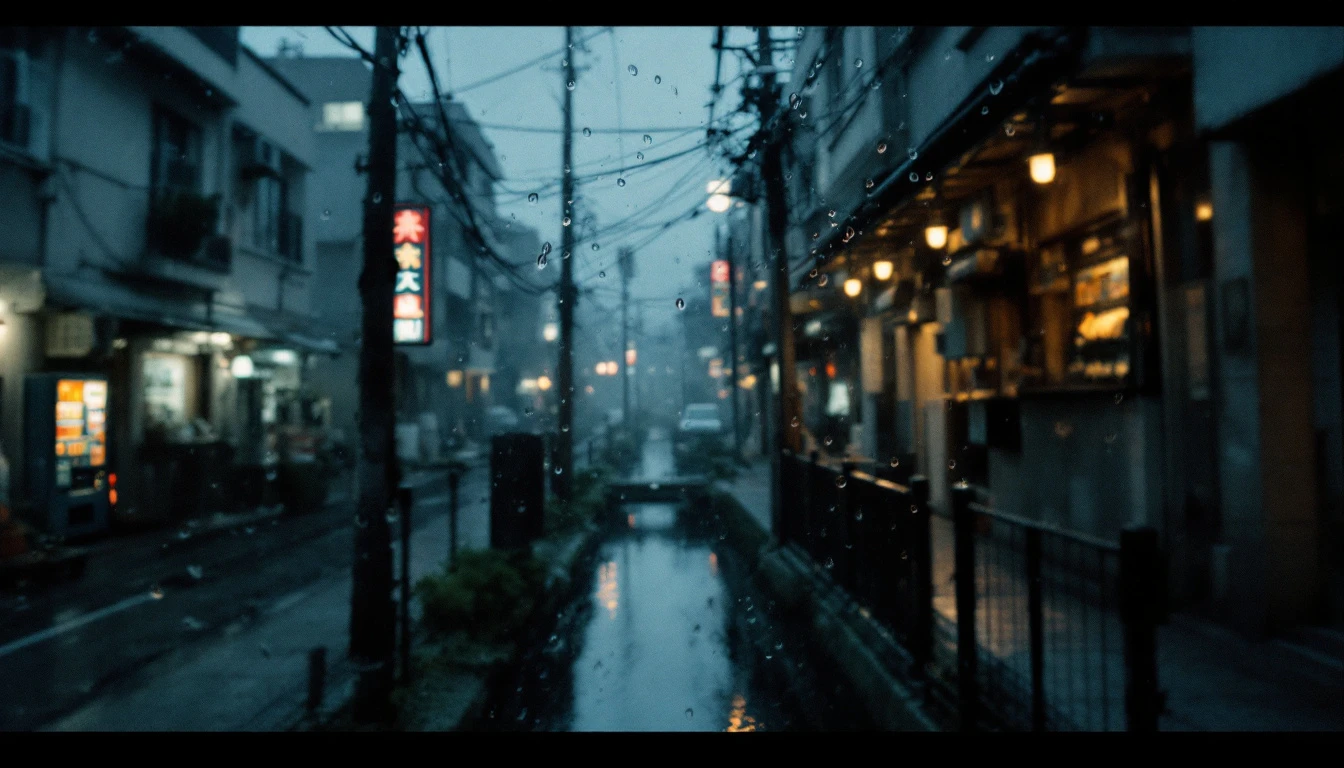
If you've seen Cure mentioned in a Reddit thread about unsettling films that get under your skin, there's a reason it keeps coming up. Here are the Japanese films from our catalog that hit the same nerve, plus a few that go even darker.
First, Why Does Cure Have That Reputation?
Kiyoshi Kurosawa's 1997 film is a serial killer procedural on the surface, but what it really does is make you question free will, identity, and how much of your own mind you actually control. It's slow, cold, and deeply wrong-feeling in a way that sticks around for days.
Reddit keeps surfacing it because it delivers something rare: dread without cheap tricks. If that's what you're chasing, the Japanese catalog has more of it than you might expect.
Start With the Horror That Actually Holds Up
The film that launched a thousand American remakes, but the original is quieter and stranger than the version you probably know. The horror isn't the tape. It's the feeling that once you've seen something, you can't unsee it.
Takashi Miike builds an achingly slow first half that feels like a sad romantic drama, then earns one of the most disturbing third acts in modern horror. If Cure's patience frustrated you, Audition will break you.
Shot in brutal black and white in a field of tall grass, this one is about two women surviving wartime by killing soldiers. It is scarier than most things made in the last thirty years and it earns every frame.
The Psychological Spiral Films
Cure works because it messes with perception, not just plot. These films do the same thing from different angles.
Satoshi Kon's animated thriller about a pop idol whose grip on reality starts to dissolve under the pressure of fame and obsession. It influenced Darren Aronofsky and it earns that influence. Watch it at night, alone.
Also from Satoshi Kon, this one plays with dream invasion and identity collapse. It's more visually ecstatic than Cure but the core unease is the same: you're not sure whose reality you're in.
The Cold, Procedural Dread
Part of what Cure fans love is the detective-procedural framing. It looks like a crime film until it doesn't. These two catalog picks live in that same territory.
Akira Kurosawa's kidnapping procedural is one of the most tightly constructed crime films ever made, and its second half turns the city of Yokohama into something quietly monstrous. The class-war subtext hits harder than most modern thrillers.
A schoolteacher addresses her class in the opening scene and what she says changes the entire movie before it's really started. Tetsuya Nakashima makes something visually gorgeous out of a very cold story about vengeance and moral rot.
For When You Want the Dread Without the Gore
An entomologist gets trapped in a sandpit village with a woman who cannot leave. Hiroshi Teshigahara shoots it like a fever dream, and the existential horror builds without a single supernatural element. Cure fans who like their dread literary will love this.
Not horror, but the slow burn of a man dismantling a corrupt institution from the inside has the same coiled, inevitable energy as Cure's best scenes. Masaki Kobayashi makes the samurai genre feel like a trap closing.
The One That Blurs Art and Horror Completely
Four witnesses tell four completely different versions of the same murder. Kurosawa's point is that truth itself might be the fiction, which is exactly the philosophical trap Cure sets for its audience seventy years later.
Why Reddit Keeps Recommending Cure Specifically
The short answer is that it does something most Western horror doesn't bother with: it treats the audience as complicit. The detective investigating the killings is not safe from what he's investigating, and neither are you by the end.
The films above all share that quality in some form. They don't let you watch from a distance. Whether it's Perfect Blue collapsing the line between idol and stalker, or Rashomon pulling the floor out from under reliable narration, they put you inside the problem rather than in front of it.
That's the Reddit appeal. These films give you something to actually argue about in a thread.
Ready to find your next one? Browse the full Japanese catalog on ReelBridge starting with Confessions and let the rabbit hole do the rest.