You watched The Babadook, lost sleep, and now you want more. Good news: Australian horror has a whole dark side that never gets enough attention. These seven films will fix that, no passport required.
Australian Horror Is Its Own Thing
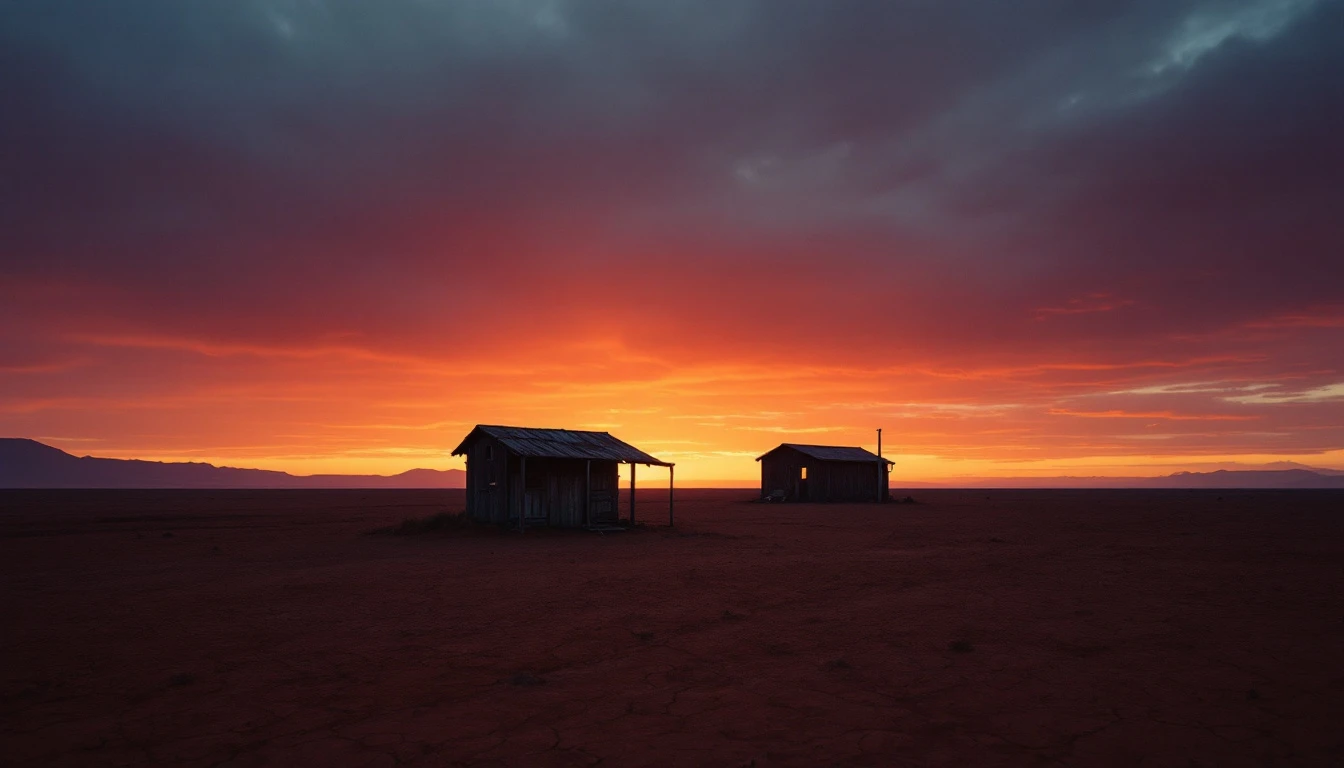
Something about the Australian landscape does something to genre filmmaking. The isolation is real, the heat is oppressive, and the social tensions sitting underneath everyday life have a way of exploding on screen in ways that feel genuinely unhinged.
These films are not jump-scare factories. They are slow burns, gut punches, and films that leave you feeling slightly wrong for days. That is the Australian horror tradition, and it goes way deeper than one famous monster in a book.
Start Here If You Loved The Babadook
If you have already seen it, great. If you somehow have not, stop here and watch it first. Everything below connects back to what Kent was doing: horror that uses dread and tone to say something real about people under pressure.
The Film That Will Destroy You Quietly
This is the one that stays with you longest. It is brutal in the way real things are brutal: not loud, not stylized, just relentlessly bleak and human. The loss-of-innocence dna here rhymes directly with what The Babadook does to its child character, except Snowtown has nowhere safe to land.
The Ones That Use Landscape as a Weapon
Both films treat the Australian landscape the same way The Babadook treats domestic space: it is beautiful, it is wrong, and it is going to swallow someone. Neither film explains itself. That is the point.
Family Horror, Australian Style
The Babadook is fundamentally about a family under unbearable strain. These two films operate in that same territory. The horror in Animal Kingdom comes from blood obligation. In Walkabout it comes from the collision of worlds and the loss that sits at the center of it.
For the Viewer Who Wants Pure Brutality
Talk to Me is the most recent entry here and probably the easiest gateway for mainstream horror fans. It plays fast and mean. The Proposition is the older, slower, more merciless option. Both earn their brutality by making you care first.
The Outlier Worth Your Time
Lantana is the one on this list that American audiences consistently overlook because it does not announce itself as horror. But the dread it builds over two hours is completely real, and if The Babadook hit you because of its emotional weight rather than its monster, Lantana will do the same thing to you.
- All films on this list have confirmed English subtitles available through ReelBridge, where you can also check current streaming homes before you search.
- Talk to Me runs 95 minutes. Wake in Fright runs 109 minutes. Picnic at Hanging Rock runs 115 minutes. Snowtown is the longest at 119 minutes and the hardest watch of the group.
- Wake in Fright and Walkabout are both 1971 films that were lost or unavailable for years. They are restored and fully watchable now.
- Animal Kingdom launched multiple careers including Guy Pearce and a then-unknown Jacki Weaver, who got an Oscar nomination for it. Worth knowing going in.
Ready to find your next unsettling Australian film? Check the full breakdowns for every title here on ReelBridge, including confirmed subtitle options, streaming availability, and what to watch next based on exactly what got under your skin.