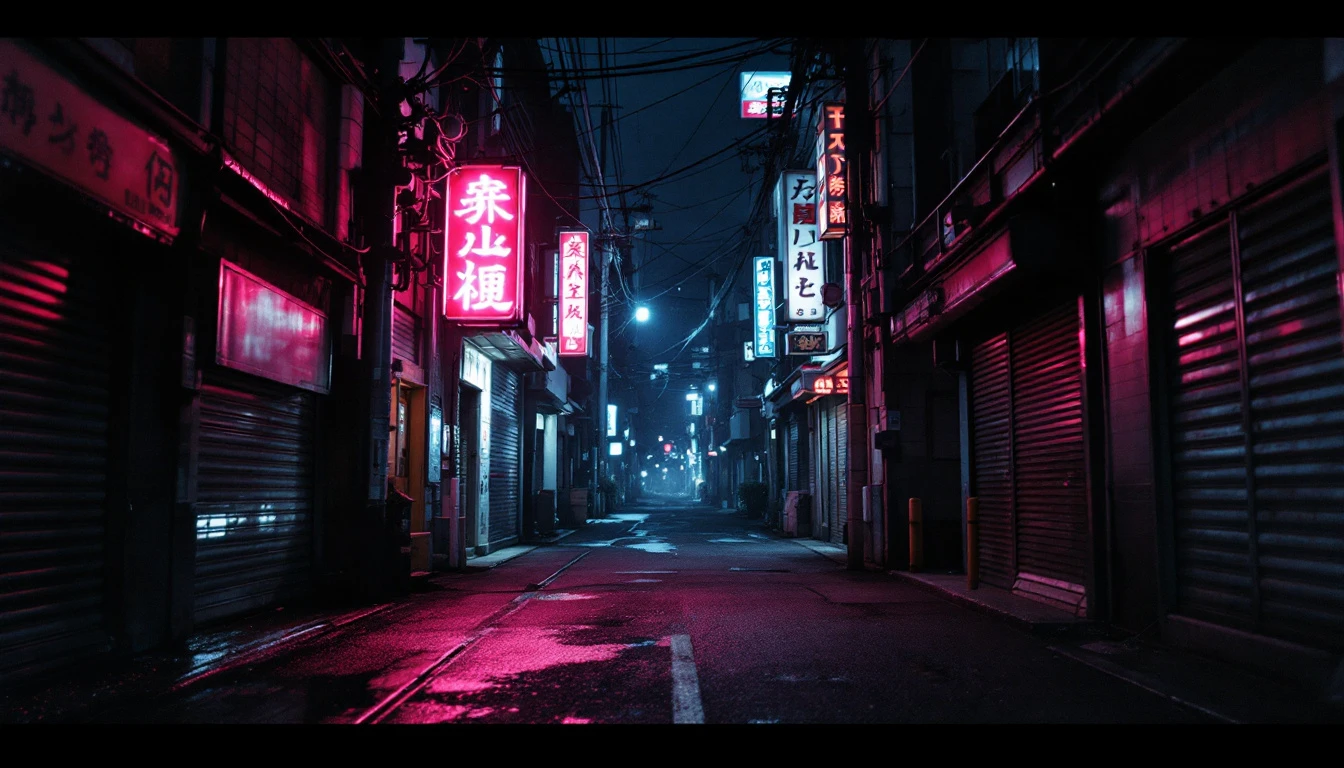
If you want to start with Japanese horror but subtitles feel like a barrier, you're not alone. The problem is finding J-Horror with dubs that don't ruin the mood. Here are the films worth starting with, plus what makes each one actually scary.
What Even Is J-Horror?
Japanese horror has its own flavor. Forget jump-scare machines. J-Horror is built on dread, on the feeling that something is wrong before you can name what it is. The scares tend to be slow, weird, and hard to shake.
The genre hit its peak in the late 1990s and early 2000s, and a lot of those films got wide Western releases with solid English dubs precisely because studios knew Americans were hungry for them. That works in your favor.
Start Here: The One That Started It All
The original Japanese version of the cursed-videotape story. The dread here is patient and methodical in a way the American remake never quite matched. This is the clearest entry point into J-Horror for a first-timer.
Ring works as a starting point because its premise is immediately graspable. Watch a tape, you die in seven days. Simple hook, deeply unsettling execution. Director Hideo Nakata understood that what you don't see is scarier than what you do.
Go Here Next: The Film That Broke People
Takashi Miike's film spends an hour feeling like a quiet drama about a widower looking for love. Then it doesn't. If you think you know where this is going, you don't. One of the most genuinely disturbing films in the catalog.
Audition was one of the first J-Horror titles to get serious international attention, and English dub options were produced for home release. The first half is almost serene. That makes what comes later so much worse.
The Ghost That Won't Let Go
A haunted house film with a structure unlike almost anything in Western horror. The Grudge has no single protagonist, no clean timeline, and no resolution in the way you expect. It's designed to make you feel trapped.
This one had a full English dub produced for its international release. The original Japanese audio is the preferred version for purists, but the dub is functional and doesn't kill the atmosphere. Either way, the imagery is what gets you.
What makes Ju-on stick is its internal logic. The curse doesn't care about you specifically. It just spreads. That indifference is scarier than any villain with a motive.
For Something Older and Stranger
Shot in black and white in a field of tall grass, this one predates modern J-Horror but practically invented its DNA. A woman and her daughter-in-law survive wartime Japan by killing soldiers. Then things get much stranger.
Onibaba is not a comfort watch. Director Kaneto Shindo was working with almost no budget and created something primal and deeply unsettling. English subtitles are confirmed, and the visual language is so strong that you barely notice you're reading.
If you're willing to go black and white, this film will reward you in ways that more recent horror rarely does. It's also only 103 minutes, which is lean for how much it leaves behind.
What About English Subs vs. Dubs?
Here's the honest take. Most J-Horror titles in the catalog have confirmed English subtitles, and a handful have English dubs available depending on your streaming platform. For the genre, subtitles are genuinely worth trying, because so much of J-Horror's power is in the original audio. The ambient sounds, the silence, the voice performances in Japanese are part of the scare.
Why J-Horror Hits Different
American horror tends to explain itself. The monster has an origin. The haunting has rules you can beat. J-Horror often refuses that structure. The threat in Ring, in Audition, in Ju-on doesn't negotiate with you.
That's disorienting the first time, and then it becomes exactly what you're after. Once you accept that the film is not going to hold your hand, the anxiety builds in a way that Western horror rarely manages.
Your Next Move
These four are the right starting order: Ring first, then Audition, then Ju-on, and Onibaba as a detour into the genre's roots. Once you've got those under your belt, you'll have enough context to explore deeper into what makes Japanese horror so persistently influential.
See where each of these lands on ReelBridge, with subtitle and dub status confirmed, streaming availability, and similar films queued up if you want to keep going after the credits roll.